
Whale Watching in Dana Point in August: A Local’s Guide to Peak Blue Whale Season
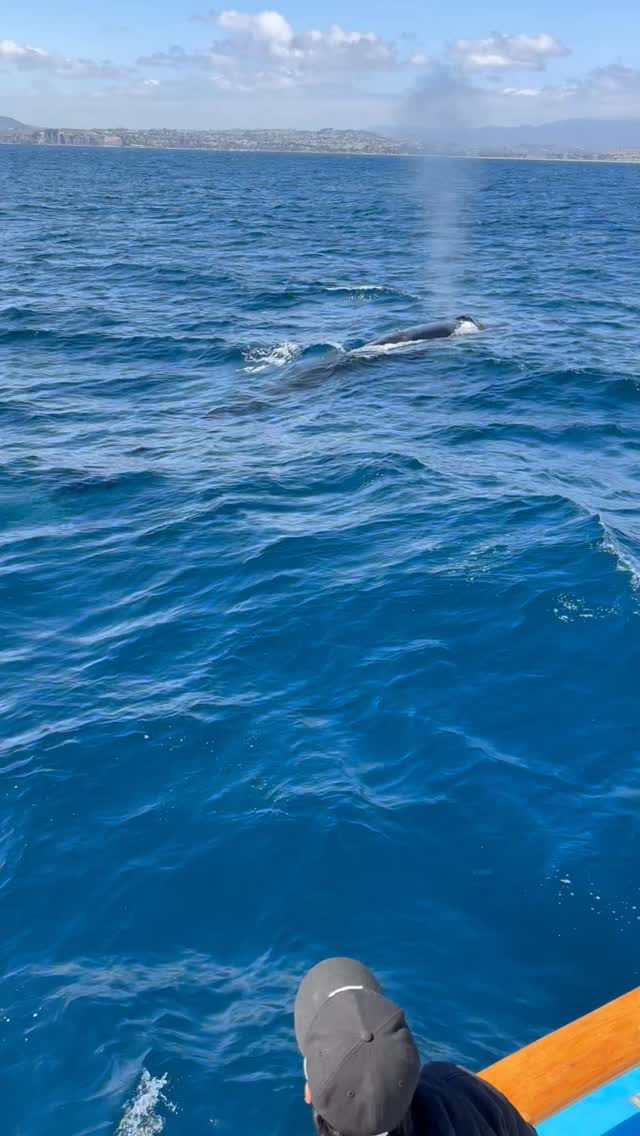
Ask anyone who works the docks down here and they will tell you the same thing: if you only get to go whale watching once all year, make it August. By the time August rolls around, the water off Dana Point has warmed up, the krill has stacked up, and the biggest animals on the planet are parked right off our coast feeding. We have been running boats out of Dana Point Harbor since 1971, and late summer is when the ocean really shows off.
This is the third stop on our month-by-month walk through the season. If you are still in spring-trip mode, start with our June whale watching guide or our July guide to peak blue whale season. August picks up right where July leaves off, only the blue whales have usually settled in and the dolphin pods are at their summer best.
Here is exactly what to expect on the water in August, what you are likely to see, and how to plan your trip so you get the most out of it.
What Whales Will You See in Dana Point in August?
August is one of the most reliable months of the entire year off Dana Point. The headliner is the blue whale, the largest animal known to have ever lived, reaching up to about 100 feet long and as much as 150 tons. Blue whales come to Southern California to feed on krill through the summer, and August sits right in the heart of their season, which runs from roughly mid-June into September.
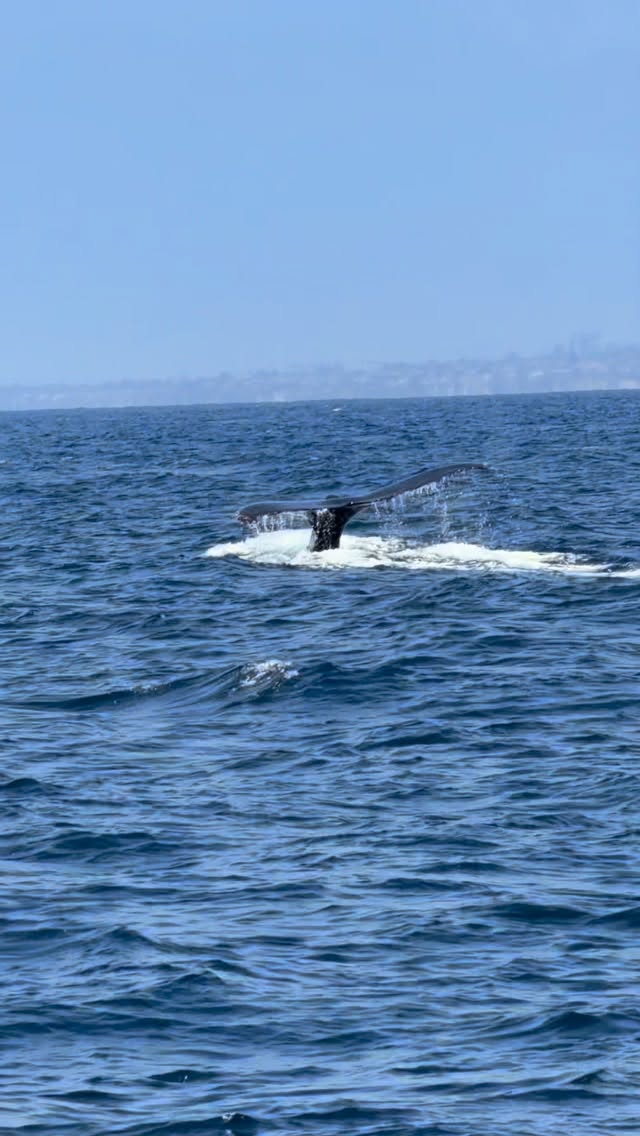
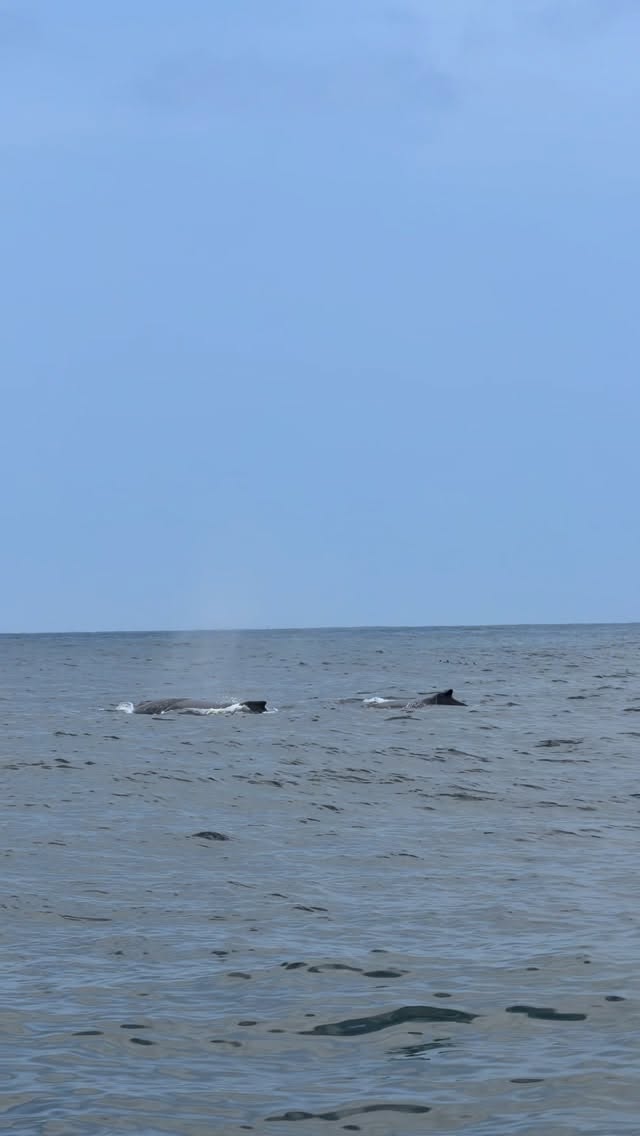
But blues are not the only giants out there. Fin whales, the second-largest animal on Earth at up to around 80 feet, have been all over our waters this season. They are fast, sleek, and a lot of regulars on our boats have favorites they recognize trip to trip. Humpback whales round out the big three, and August humpbacks love to put on a show with breaches, pec slaps, and big fluke-up dives. You will also run into the occasional minke whale slipping past.
If you want to know how to tell these giants apart before you step on the boat, our guide to fin whales and our breakdown of just how big a blue whale really is are both worth a read.
Is August Really Peak Blue Whale Season?
Yes. Blue whales show up off Southern California to feed when the krill is thickest, and that window peaks in July and August. By August the whales that arrived in early summer have usually settled into feeding patterns we can find, which means more consistent sightings of the biggest animal that has ever existed.
What pulls them in is food, plain and simple. A single blue whale can put away around four tons of krill in a day during feeding season. If you want the full story on how these giants eat, we wrote about it in the 4-ton diet. The short version: where the krill goes, the blues follow, and in August a lot of that krill is sitting right off Dana Point. For more on where these animals travel and why they end up here, see our local guide to seeing blue whales.
One tip from the wheelhouse: learn to spot the spout. A blue whale’s blow is a tall, narrow column of mist that can shoot 30 feet straight up, and on a calm August morning you can pick it out from a couple of miles away before you ever see the animal. Our naturalists will call it out, but half the fun is training your own eye. Once a blue surfaces, you get that long, mottled blue-gray back rolling for what feels like forever, and then the small dorsal fin way back near the tail. It is a sight that does not get old, no matter how many seasons you have been doing this.
What Else Is in the Water in August?
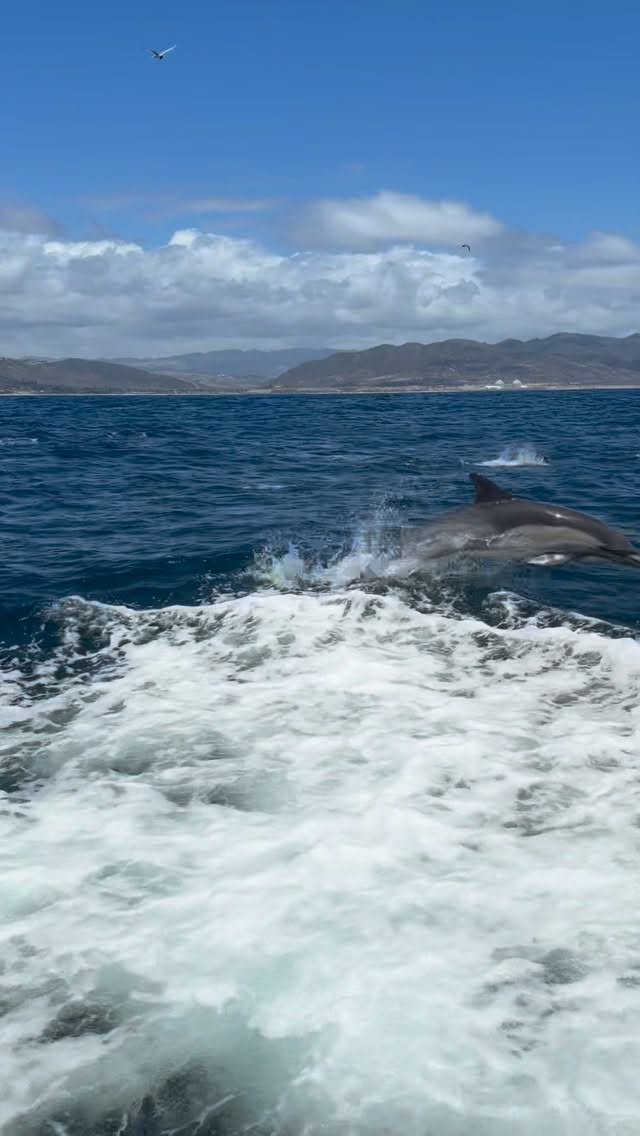
Whales get top billing, but the dolphins might steal the show. August is prime time for the megapods we are famous for, common dolphin groups that can run into the hundreds and sometimes the thousands, racing and leaping alongside the bow. Watching a megapod stretch from horizon to horizon is one of those things you have to see to believe. We dug into the timing in our megapods guide.
Beyond the common dolphins, August regularly brings bottlenose dolphins cruising the coastline and Risso’s dolphins farther offshore. Mola mola (the giant ocean sunfish) bask at the surface, sea lions trail the boats, and we still get the occasional sea turtle this time of year. There is almost always something moving out there.
August is also when the warm water lights up our fishing side of the house. The same conditions that bring the whales in, warm offshore water and stacked-up bait, fire up the tuna, yellowtail, and dorado bite. Plenty of families do a whale watch one morning and a sportfishing trip the next, and it is a great way to see both sides of what Dana Point Harbor has to offer in late summer.
What Is the Weather Like on an August Whale Watch?
August is about as friendly as the ocean gets here. Mornings can start out with a little low cloud, what locals call the marine layer, that usually burns off into clear, warm afternoons. Seas are typically calm and the water is at its warmest of the year. It is comfortable enough that first-timers and families do great.
That said, it is always cooler out on the water than it is standing in the harbor parking lot, and the wind picks up once you clear the breakwater. A light jacket or windbreaker goes a long way. We put together a full summer guide to what to wear so you are not caught off guard, plus a summer packing list with the little things people always forget.
Morning or Afternoon: When Should You Go in August?
Both are good in August, and honestly the whales do not check the clock. Morning trips often have the glassiest water and the softest light, which is great if you want photos. Afternoon trips warm up nicely and the marine layer is long gone. If you are prone to motion sickness, mornings tend to be a touch calmer. We broke down the trade-offs in our look at morning versus afternoon tours, and if seasickness is a worry, our captains’ tips for avoiding it are worth a quick read before you book.
Is August a Good Time to Bring Kids?
It is one of the best. Warm, calm conditions plus the near-certainty of dolphins make August a great month for first-time young whale watchers. Kids who might get restless on a slow winter trip rarely have a dull moment when a megapod shows up. We laid out everything parents tend to ask in our guide to whale watching with kids in Dana Point.
How Do You Book an August Trip?
August is one of our busiest months, so weekends and holiday dates fill up fast. If you have a specific day in mind, book ahead rather than walking up. You can see schedules and reserve on our whale watching page, and our naturalists are on every trip to help you spot and understand what you are looking at.
There is a reason Dana Point is known as the Whale Capital of the World. In August, with blue whales feeding offshore, fin whales cruising the coast, humpbacks breaching, and dolphin megapods running the bow, that title earns itself all over again. Come down to the wharf and see it for yourself.