
Are Whale Watching Tours Worth It? (An Honest Answer from a Dana Point Captain)
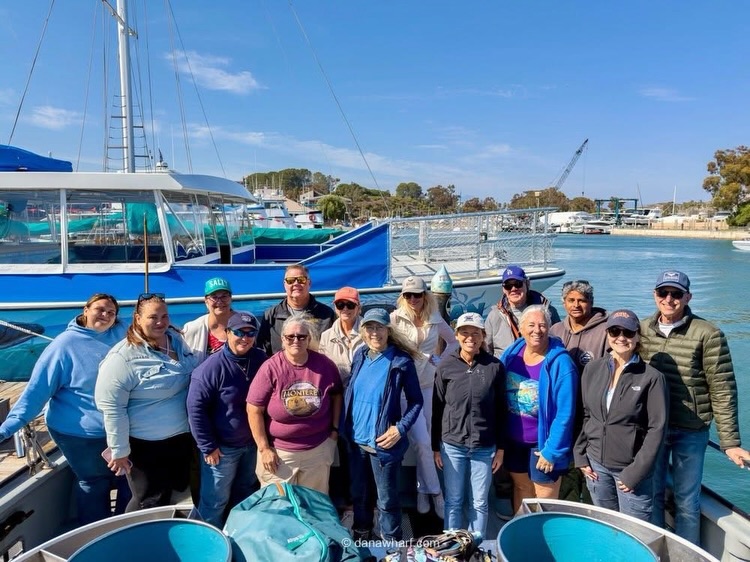
Short answer: yes, if you do it right. Long answer: it depends on what you go in expecting, what time of year you go, and who you go with. We have been running whale watching trips out of Dana Point Harbor since 1971, so this is a question we have heard a lot of versions of over the last 55 years. Here is the honest take.
What “Worth It” Actually Means on a Whale Watching Tour
People mean different things when they ask this. Some are asking about cost. Some are asking about whether you really see anything. Some are asking if it is the kind of thing you tell your friends about afterward. So let’s split the question apart.
Money: A standard 2.5 hour Dana Wharf whale watching trip costs less than a sit-down dinner for two and gets you out on the water with a marine biologist or captain who has spent decades watching these animals. You can spend more on a single concert ticket. So pure dollars per memory, whale watching wins for almost any visitor.
Sightings: Our boats have a sighting rate over 95 percent across the year. That means almost every trip puts you within easy view of at least one large marine mammal: a whale, a dolphin pod, or both. On the rare day we don’t, we give you a free standby pass to come back. That is the Dana Wharf Guarantee, and it has been on the books since the founding.
Memory: A blue whale surfacing 30 yards off your rail is the kind of moment that does not erase. Neither does running with a megapod of 1,000 common dolphins for 20 minutes straight, which we see regularly between May and October.
What People Get Wrong About Whale Watching
The most common reason someone leaves a tour disappointed is the wrong expectation going in. Whale watching is not SeaWorld. The animals are wild and free, they move at their own pace, and they do not perform on cue. What you actually do on a trip is watch the ocean closely for blows on the horizon, then quietly motor over and shut the engines down while a 70-foot animal goes about its business right next to the boat.
If you are looking for nonstop breaching, you might get one breach an hour on a good day. If you are looking for a 30-second moment that you’ll remember for years, you are almost certainly going to get that. Once your expectations are calibrated, the answer to “is it worth it” becomes yes pretty quickly.
When Is It Most Worth It?
This is the variable that matters most. The Southern California coast has two distinct whale seasons:
- Winter and early spring (December through March): Gray whale migration. Around 20,000 gray whales pass our harbor each winter on their southbound journey to Baja, and again northbound in spring. Sightings are excellent.
- Late spring through summer (May through October): Blue whale and fin whale season. Blue whales (the largest animal in history) and fin whales (the second largest) feed on krill within a few miles of Dana Point. Peak is June through August.
If you go in one of those windows, the answer to “worth it” is an easy yes. If you go in a low-volume month like November, the sightings tend toward dolphin megapods and the occasional whale, which is still very much worth the ticket but a different kind of trip. For the deeper month-by-month breakdown, our best-time-to-go guide walks through all 12 months.
Where You Take the Tour Matters More Than People Realize
The harbor you launch from changes everything. Some Southern California ports are 60 to 90 minutes of running before you reach productive whale water. By the time the boat gets out, gets back, and finishes a trip, you spent half the time looking at the inside of a coastline.
Dana Point Harbor is unique in that the whale water starts almost immediately outside the breakwater. The kelp line is 14 minutes from the dock and the deep water blue whale grounds are about 35 minutes away on our fast boats. That means a 2.5 hour trip out of Dana Point gives you significantly more actual whale time than a 2.5 hour trip out of most other Southern California ports.
If you are weighing your options, we wrote up honest local comparisons against the major neighboring ports: Newport Beach, Long Beach, and San Diego. The case for Dana Point is built on a real geographic advantage, not marketing.
The Captain Makes or Breaks the Trip
This is the underrated factor. A captain who has been running these specific waters for 20 or 30 years knows which underwater banks the krill aggregate over in July, which way the gray whales are moving at low tide in February, and how to read a distant bird raft from three miles away. That experience is the difference between a trip where you see whales and a trip where you don’t.
Our captains include people who have been on this water since before we had GPS plotters or thermal optics. They have raised kids on this dock. Half of them started as deckhands when they were teenagers and are now training their own deckhands. That continuity is one of the biggest reasons our sighting rate is what it is.
What You Should Bring to Make the Trip Worth Even More
A few small choices can be the difference between a good trip and a great one:
- Polarized sunglasses. Cuts the surface glare and lets you see whales underwater.
- A light jacket or windbreaker, even in summer. The ocean breeze drops the felt temperature 10 to 20 degrees.
- A camera with a zoom lens or a phone you are willing to point at the rail. Phone shots of a 70-foot animal are surprisingly good.
- Cash for the snack bar and tip the crew if you had a good trip. They work hard.
For the full pre-trip checklist, our what-to-wear guide covers it season by season.
Who It Is Definitely Worth It For
Some specific groups always tell us afterward that the trip was worth it:
- Families with kids. Kids who see a whale up close talk about it for years. Our trips work for ages 3 and up. (For the practical side, our parent’s guide covers what to expect with kids on board.)
- Out-of-state visitors who are already in Orange County. If you are within 30 miles of Dana Point Harbor anyway, the trip is one of the highest-leverage things you can do with two and a half hours of your day.
- Anglers who fish but have never been out for marine mammals. Different boat, different mood, completely different way to see the ocean you already love.
- People going through something heavy. The ocean has a way of pulling perspective into place. Whales help with that.
Who Should Skip It
Honest answer time. A few people probably shouldn’t book:
- If you get severe seasickness and can’t take Bonine before the trip, the open ocean is a tough first introduction. Our seasickness guide covers what works for most people but it isn’t perfect for everyone.
- If you cannot accept that wildlife shows up on its own schedule, the format will frustrate you. A theme park is a better fit.
- If you are looking for a hot tub party boat, this is not that kind of trip.
The Honest Answer
Are whale watching tours worth it? Out of Dana Point, in season, with a real captain at the wheel, yes. It is one of the best things you can do on the Southern California coast for the money, and one of the few experiences that will stick with you years after the rest of the trip fades.
If you want to plan one, the live schedule is on our whale watching page, and the daily recap of what we are seeing is at the fish count page. Any questions our crew can answer on the phone seven days a week, or our FAQ covers the rest.