
Whale Watching in Dana Point in September: A Local’s Guide to Late Blue Whales and Dolphin Megapods
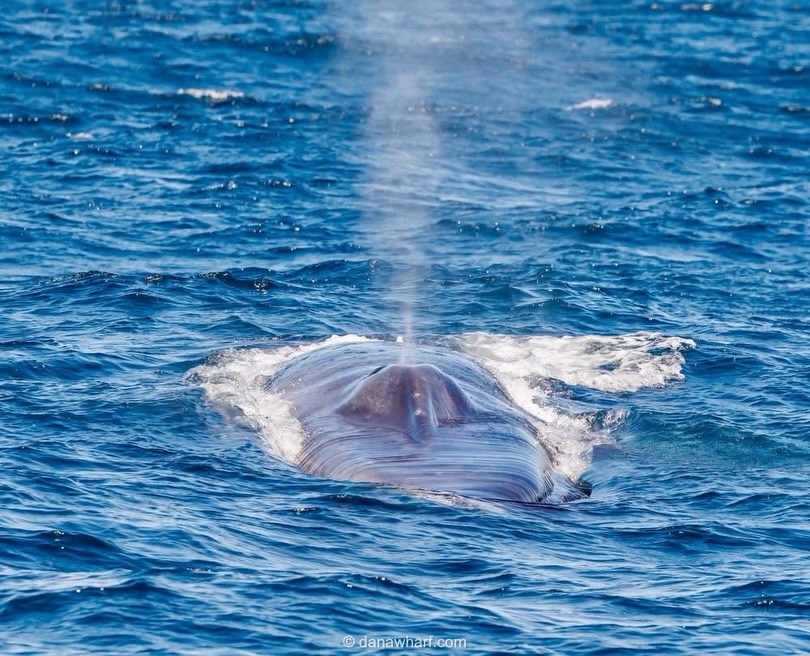
Ask most people when to go whale watching in Dana Point and they will say winter for the gray whales or July for the blue whales. Almost nobody says September. That is exactly why we love it. By the time the calendar flips past Labor Day, the summer crowds thin out, the morning marine layer burns off into long golden afternoons, and the ocean off our harbor is still absolutely loaded with life.
September is one of the most underrated months on our calendar, and after running trips out of Dana Point Harbor for more than fifty years, we have learned to pay attention to it. The water is warm, the seas are usually calm, and you get a little bit of everything: the tail end of blue whale season, fin whales feeding just offshore, minke and humpback whales mixed in, and dolphin pods so big they turn the surface to white water.
Here is what to actually expect on the water in September, straight from the people who are out there every day.
What Whales Can You See in Dana Point in September?
September sits in a sweet spot. We are still inside the warm-water summer season, so the big rorqual whales that come here to feed are around, but we are also creeping toward the fall transition. On a typical September trip off Dana Point you have a real shot at seeing:
- Fin whales the second-largest animal on the planet, and the most reliable big whale we see this month.
- Blue whales the largest animal that has ever lived. Early September can still produce them before they move on.
- Minke whales smaller, fast, and often spotted on the way out of the harbor.
- Humpback whales the show-offs, the ones most likely to breach or slap their fins.
- Common, bottlenose, and Risso’s dolphins in pods that can number in the thousands.
One thing September is not is gray whale season. Those gray whales migrate past us in winter and spring, so if a gray whale is on your bucket list, save that trip for December through April. For a full breakdown of which whales show up when, our month-by-month whale watching guide lays out the whole year.
Are Blue Whales Still Around in September?
Sometimes, yes. This is the honest answer. Blue whale season off Southern California runs roughly from May into October, and the peak stretches from mid-June through mid-September. That means the first couple of weeks of September can still deliver the biggest animal that has ever existed gliding past the boat. By late September the blues are usually winding down and starting to move south, so the earlier in the month you come, the better your odds.
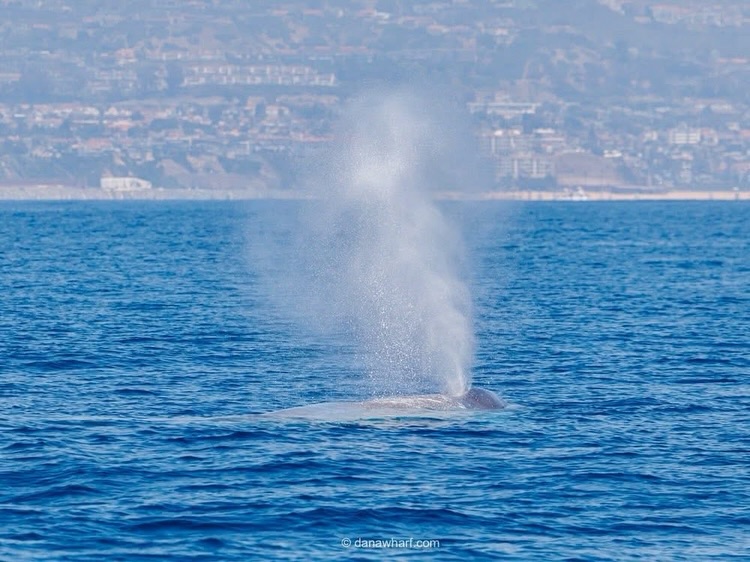
If you have never seen one, the scale is hard to put into words. A blue whale can reach around 100 feet long, and the blow alone can shoot up 30 feet into the air. We get the question all the time about how something that enormous can possibly stay hidden, and the truth is they spend most of their time deep, feeding on krill. When one finally surfaces next to the Dana Pride, the whole boat goes quiet. If you want to nerd out on these animals before your trip, we wrote a complete guide to blue whales that covers everything from their heartbeat to their migration.
Why Are Fin Whales the Stars of September?
If blue whales are the headliners of midsummer, fin whales are the dependable veterans who carry the show in September. Off Dana Point, fin whales are around all year, but late summer and early fall is when we see them most consistently, often several in a single trip.
Do not let “second largest” fool you into thinking they are small. A fin whale can reach 75 to 85 feet, which makes it longer than our boat in some cases. They are built like torpedoes and earned the nickname “the greyhound of the sea” because they can cruise at 23 to 25 miles per hour. Watching one of these sleek giants surface, exhale a tall column of mist, and slide back under is one of the most reliable thrills we offer this time of year. When the upwelling off our coast is strong and the krill and bait are stacked up, the fin whales follow, and Dana Point happens to sit right on top of some of the best feeding water in the region.
How Big Are the Dolphin Pods in September?
This might be the real reason to book a September trip. Dana Point is known as the Dolphin and Whale Watching Capital of the World, and it earned that title honestly: this stretch of coast has more dolphins per square mile than just about anywhere on Earth. In September the common dolphin pods are enormous. We regularly run into groups of more than a thousand animals, and on the right day a true megapod can swell into the thousands, even up to ten thousand dolphins moving as one shimmering mass.
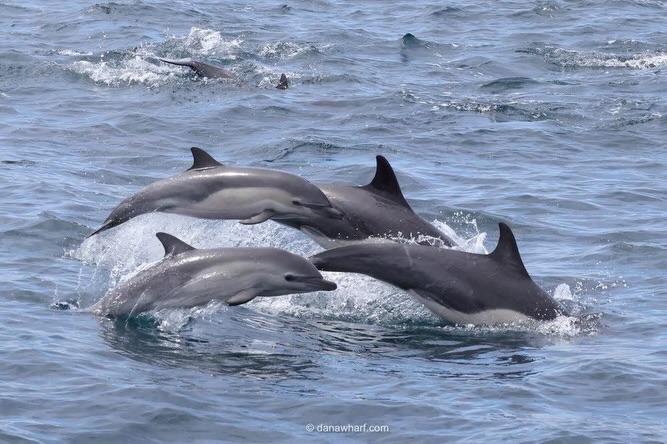
When a megapod decides to ride your bow, it is pure chaos in the best way: calves leaping next to their mothers, dolphins crisscrossing under the hull, the whole ocean alive in every direction. We never get tired of it, and neither do our guests. If you want to understand what causes these massive gatherings, our piece on the magic of megapods digs into the why behind the spectacle.
What Is the Weather and Water Like in September?
September might be the most comfortable month all year to be on the water in Dana Point. The ocean has been soaking up sun all summer, so water temperatures are at their warmest, which keeps the bait, the whales, and the dolphins close. The famous “May Gray” and “June Gloom” marine layer is long gone, so most days break into clear blue skies and calm, glassy seas by late morning.
Add in the fact that the kids are back in school and the summer tourist rush has eased, and you get something special: a beautiful, productive ocean with a lot more elbow room on the boat. It is the local’s secret. The crew will tell you September is one of our favorite months to work, and that is saying something.
What Should You Bring on a September Whale Watching Trip?
Even on a warm September day, it is cooler out on the open water than it is back at the harbor, and the wind picks up once we are moving. The trick is layers. Start with a t-shirt, bring a light jacket or hoodie, and add sunglasses, sunscreen, and a hat because the September sun is no joke out on the water. Closed-toe shoes with grip beat flip-flops on a moving deck.
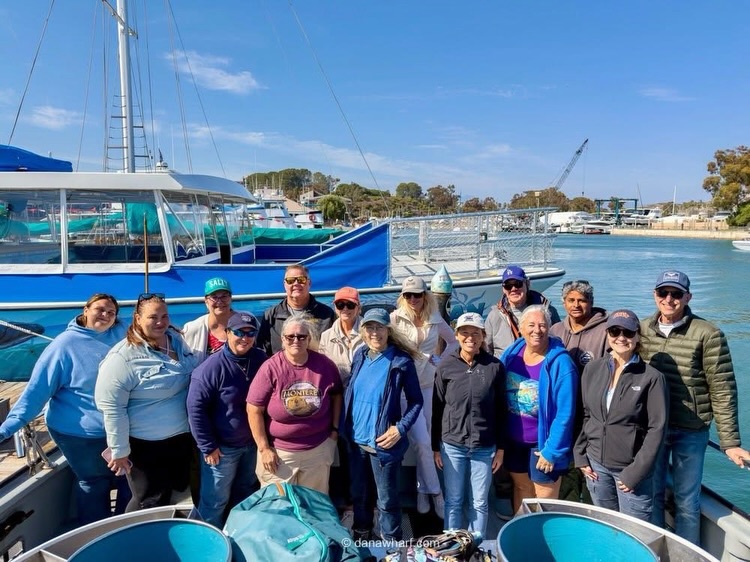
We keep it simple for our guests, but a little preparation goes a long way toward a great morning. For the full rundown, our warm-season what-to-wear guide covers exactly how to dress so you stay comfortable from the first whale to the last dolphin.
When Is the Best Time of Day to Go in September?
Both morning and afternoon trips produce in September, but they have different personalities. Morning trips tend to have the calmest, glassiest water and the freshest light, which makes spotting blows and dorsal fins easier. Afternoon trips ride the warmer part of the day and often catch dolphins in a more active, playful mood. Honestly, you cannot go wrong, but if flat seas and easy spotting matter most to you, lean toward an earlier departure. We break down the trade-offs in our guide to the best time of day to go whale watching.
Looking a little further out, if you cannot make it down in September, the action does not stop. October ushers in the start of our fall transition, and you can read about the Southern California fall whale migration to plan your next visit.
Ready to See a Dana Point September for Yourself?
September is the month the locals quietly keep for themselves: warm water, calm seas, fin whales, the last of the blues, and dolphin pods that go on forever. If you have been meaning to get out on the water, this is the time to do it before the summer-season whales head south. Come down to the harbor and let us show you why this is the Dolphin and Whale Watching Capital of the World. Book a Dana Wharf whale watching tour and we will see you on the water.