
First-Time Whale Watching in Dana Point: A Captain’s Walkthrough
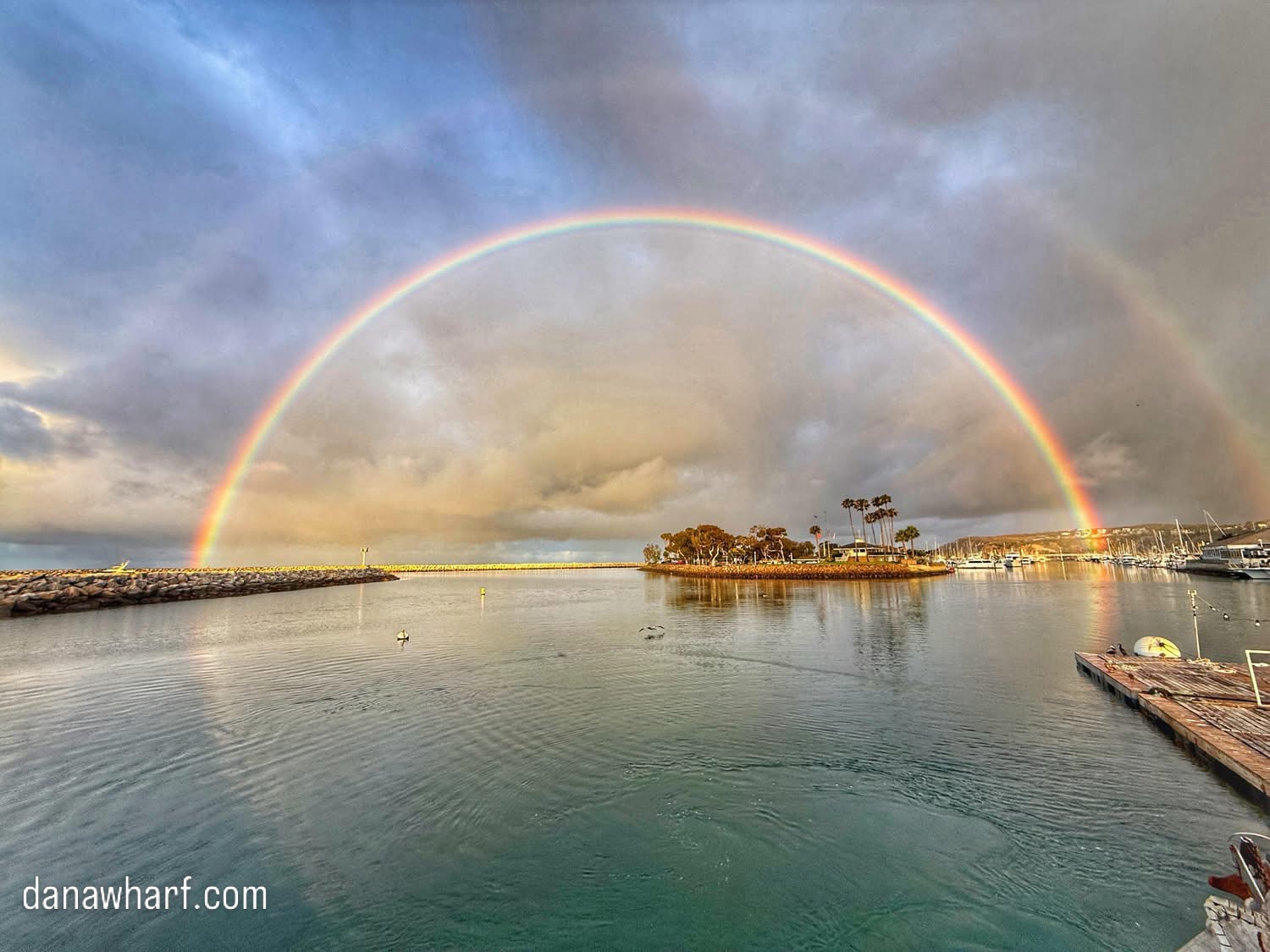
If you have never been whale watching before and you are planning your first trip out of Dana Point, this is the walkthrough we wish we could hand every guest before they show up. It covers the harbor walk-in, the boat itself, what happens during the trip, how to read the captain’s cues, and what to do after. Written by the people who run these boats every day.
By the end of it you’ll feel like you have already taken the trip once. Then the actual trip is just the surprise of how good it is.
The Day Before
Two small choices the night before make a big difference:
- Check the forecast and the schedule. Our trips run rain or shine, in almost any condition the captain considers safe. But knowing the morning marine layer might still be in at boarding time helps you dress correctly. The forecast for the harbor itself (which sits in a small geographic pocket) often runs 5 to 10 degrees cooler than inland forecasts suggest.
- Eat a normal meal. Skipping food before a boat trip is one of the worst things you can do for seasickness. A regular breakfast or lunch settles the stomach better than an empty one.
If seasickness is a concern, take Bonine an hour before boarding. Our seasickness guide covers what works.
Getting to the Harbor
Dana Point Harbor is on the north side of the breakwater right off Pacific Coast Highway. The Dana Wharf dock is in the harbor’s main basin, marked by the big yellow Dana Wharf sign and the line of boats with the Dana Wharf logo on the bow.
Parking is straightforward: there is a paid lot directly above the dock, plus street parking along Dana Point Harbor Drive. Give yourself 45 minutes before your trip time. That window covers the walk down, the check-in line, a coffee from the harbor cafe, and a minute or two to use the restroom before boarding (the boats have restrooms, but there is no line shorter than the one on dry land).
Check-In and Boarding
Check in at the Dana Wharf office at the head of the dock. They will scan your reservation, hand you a wristband, and tell you which boat to board and when to walk down. From check-in to boarding is usually 10 to 20 minutes.
When the deckhand opens the gate to the boat, walk down at your own pace, hand them your ticket, and step on board. They will tell you where you can sit and where the safety gear is. The boat itself takes about 15 minutes to load everyone.
Where you sit matters more than first-timers expect. Upper deck has the best 360-degree visibility and the most wind. Main deck side rails put you closest to the water. The interior cabin has heated seating and big windows for guests who want to stay warm. You can move around freely during the trip; pick your starting spot based on the temperature first and the view second.
Leaving the Harbor
The captain pulls away from the dock, the deckhand will run through a short safety briefing on the PA, and the boat heads out through the harbor entrance. This first 10 minutes is the calmest part of the trip and a good window to:
- Adjust layers and put a hat or hood up if it’s breezy
- Apply or reapply sunscreen
- Watch the south jetty for the sea lion colony — they are almost always hauled out
- Get your camera or phone ready (with the strap on, please) and pre-set the settings before you need them
The naturalist on board, if you have one, will start narrating once we clear the breakwater. They will introduce themselves, tell you what we have been seeing this week, and what to look for as we head out. Pay attention. The naturalist knows where the action is.
How the Search Works
Once we clear the harbor entrance, the captain points the boat toward the most productive water for the day, which depends on the season, the wind, the tide, and what other boats and spotting pilots have radioed in. We have a network of communication out there. When one captain spots a whale, the others typically know within minutes.
What you should do during the search: scan the horizon, not the deck. Whales announce themselves with a vertical spout that is visible from 1 to 3 miles away. Dolphins announce themselves with the splash patterns of hundreds of bodies hitting the surface. Birds working bait announce a feeding zone that often has a whale near it. Your eyes are part of the spotting team. Many of the best sightings on a given trip come from a guest seeing it first.
If you have polarized sunglasses on, you will see significantly more.
What Happens When We Find a Whale
When the captain spots a whale (or gets called in by another captain or a spotter pilot), the boat will reduce speed gradually and approach from an angle that does not block the whale’s path. We follow federal viewing guidelines and stay 100 yards away on the engine. Then the engines come down to idle or shut off entirely, and we drift.
This is the moment first-timers usually do not expect. The water gets quiet. You can hear the whale breathe. A 70-foot animal exhales 30 feet of mist 50 yards from your face, and then 20 seconds later it does it again. After 4 to 6 breaths, the whale arches its back, the fluke lifts (sometimes), and it goes back down for 8 to 15 minutes. The boat waits.
During that wait, the captain reads the surface for clues about where the whale will come back up. Most whales travel underwater in roughly the direction they were heading on the surface. The captain repositions the boat so the next surface is in good viewing range. Then it happens again. Then again. A good whale sighting is usually 20 to 40 minutes of the same animal surfacing repeatedly.
What Else You Will See
Beyond the headliner whales:
- Common dolphins in megapods, sometimes 500 to 2,000 strong, working the same bait the whales eat
- Bottlenose dolphins closer to the kelp line, often riding the bow wave
- Sea lions on the buoys and the south jetty, plus occasional curious individuals in open water
- Mola mola (ocean sunfish) sunbathing on the surface in summer
- Loggerhead and green sea turtles in warm months
- Seabirds — shearwaters, terns, pelicans — and the pelagic species when we go a little farther out
For the full menu, our season-by-season marine life guide covers what shows up when.
How Long Is the Trip and What’s the Pace?
The standard whale watching trip is 2.5 hours. About 20 minutes is harbor in and out. The remaining 2 hours is on whale water. The pace shifts: 20 minutes of running, 30 minutes of slow drifting on a sighting, another transit to find the next animal, another sighting. There is no “boring stretch” if you stay engaged with the spotting.
Heading Home
The captain will turn the boat back toward the harbor about 30 minutes before docking. The return run is often when first-timers feel the wind drop and the sun come out, and it is a good time to grab something warm from the snack bar and just look at the coast from offshore. Dana Point from the water is a different view than from the freeway.
Once we dock, the deckhand secures the lines and opens the gate. Take your time getting off. The crew is happy to talk about what we saw, what is normal for the season, and what other trips are running this week.
The Honest First-Timer Tips
- Don’t stay glued to your phone screen. The whales surface for 4 seconds. If you watch the world through your viewfinder, you’ll see it as a small thumbnail. Lower the camera between bursts.
- Talk to the crew. They love the work. Ask questions. The best stories on the boat come from the captain who has been doing this for 25 years.
- Walk both sides of the boat during the trip. The angle changes everything.
- Tip the deckhands at the end if you had a good trip. They keep the boats running and they make your trip what it is.
Booking and Picking the Right Trip
The live schedule is at our whale watching page. For first-timers, midweek trips are quieter and easier to navigate than weekend trips. The peak whale season for visitors is December through March (gray whale migration) and May through October (blue whale and fin whale season).
If you are deciding between morning and afternoon, our morning vs afternoon guide breaks it down by season. If you are deciding which month to come in, our month-by-month season guide has the full year. And if you want a sense of whether it is worth the time and money, our honest answer on that question covers it.
Any other questions, the crew is on the phone seven days a week, and the FAQ handles the rest.
See you on the dock.