What to Wear (and Bring) on a Deep Sea Fishing Trip in Southern California
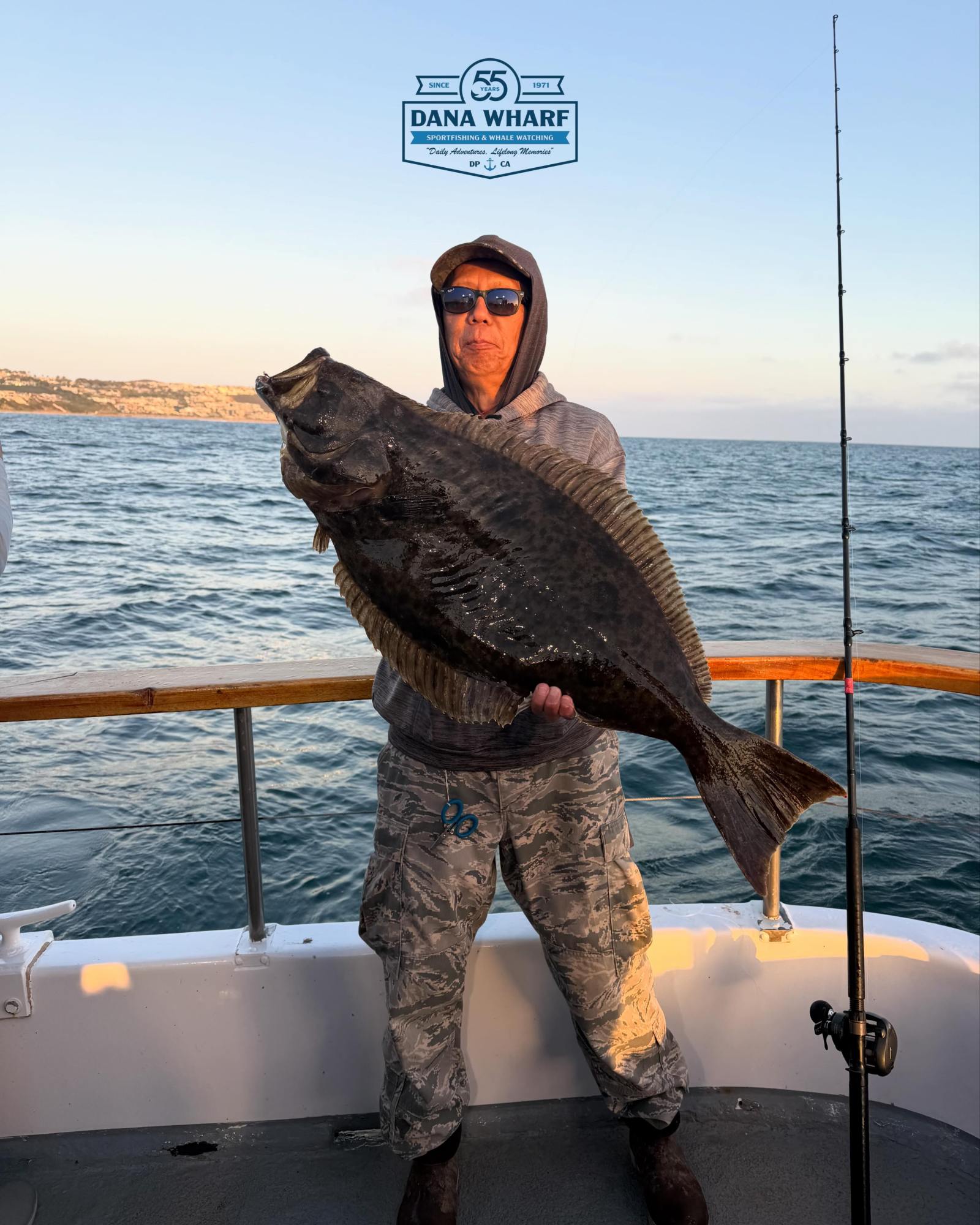
Every weekend at Dana Point Harbor we watch the same scene play out. A group rolls down the dock at sunrise, coffee in hand, dressed for a beach day. Flip-flops, board shorts, a t-shirt, maybe a hat from a gift shop in Laguna. They are about to spend six to twelve hours offshore where the water is fifteen to twenty degrees cooler than the parking lot, the wind never stops, and the deck is slick with bait water and fish slime by 8 a.m.
By the time the boat clears the breakwater, they are cold. By the time we anchor on the kelp, they are miserable. By the second drift, they are sitting in the salon while the rest of the boat is catching fish.
This is the post we wish every first-time angler read before they booked. It is not gear-list theater. It is what crew sees actually working, every trip, every season, off Dana Point.
The one-line rule
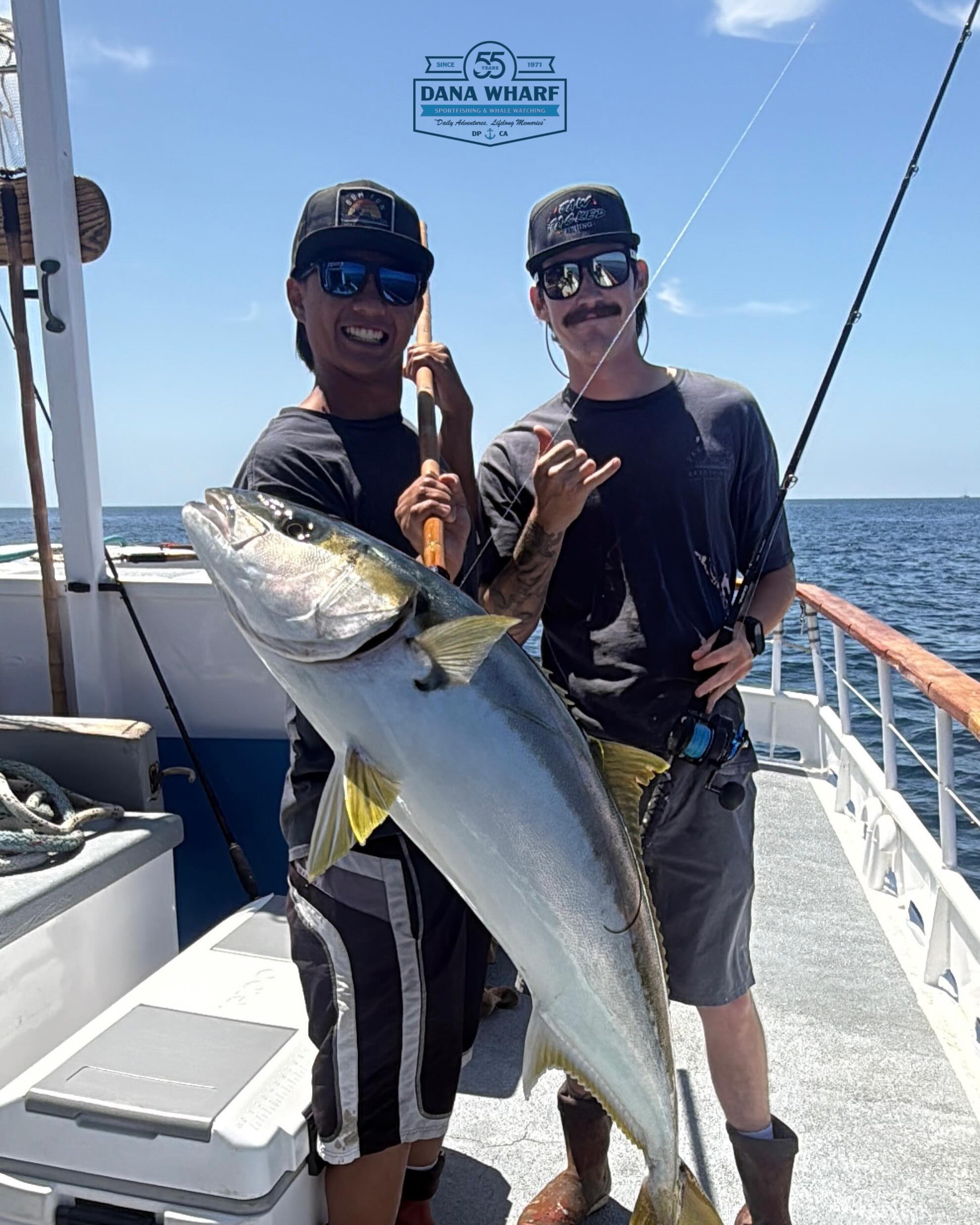
Layers, closed-toe shoes, sun protection. If you only remember three things, remember those.
The ocean off Southern California is colder than people expect. The water hovers in the upper 50s in winter and only nudges into the upper 60s by late summer. The wind chill on a moving boat shaves another ten degrees off whatever the marine forecast says. And the sun reflects off the water in a way that turns a 75-degree day into a sunburn machine.
Layers handle the temperature. Closed-toe shoes handle the slippery deck and the hooks. Sun protection handles everything else.
What to wear, head to foot
Hat with a brim
A baseball cap is the minimum. A wide-brim or boonie hat with a chin strap is better, because the wind on a moving sportfisher will take a regular cap right off your head and into the Pacific. A hat with neck flaps, or just bring a buff, is what the crew wears for a reason.
Polarized sunglasses
Polarized is non-negotiable. Glare off the water is brutal, and you literally cannot spot bait balls or terminal tackle in the water without polarized lenses. A retainer strap (Croakies or equivalent) saves you from buying a new pair from the bait shop after the first big swell.
A long-sleeve sun shirt as your base layer
Skip the cotton t-shirt. Cotton soaks up sweat and sea spray and stays wet for the rest of the day, which is exactly what you do not want. A lightweight, long-sleeve synthetic or polyester sun shirt with a UPF rating of 50+ keeps the sun off your arms and dries between drifts. AFTCO, HUK, Pelagic, and Columbia PFG all make these. They are not expensive and they make the whole day better.
A mid-layer for when the sun is not up yet
On half-day morning trips, full-day trips, and overnights, the first two to three hours are cold. A hoodie, fleece, or light puffy goes over the sun shirt and comes off once the sun is high. By mid-morning you will probably have it tied around your waist.
A windbreaker or light shell
The wind comes up most days. A packable windbreaker (the kind that stuffs into its own pocket) is the difference between comfortable and shivering on the run back to the harbor. Bonus if it is water-resistant for the spray.
Long pants or shorts that you do not mind staining
Bait juice, fish slime, blood, sunscreen. Whatever you wear is going to get some of it on it. Leave the new jeans at home. Quick-dry fishing pants or worn shorts are the move. Some anglers wear lightweight technical pants (the same kind hikers wear) which dry fast and protect from sunburn.
Closed-toe shoes with grip
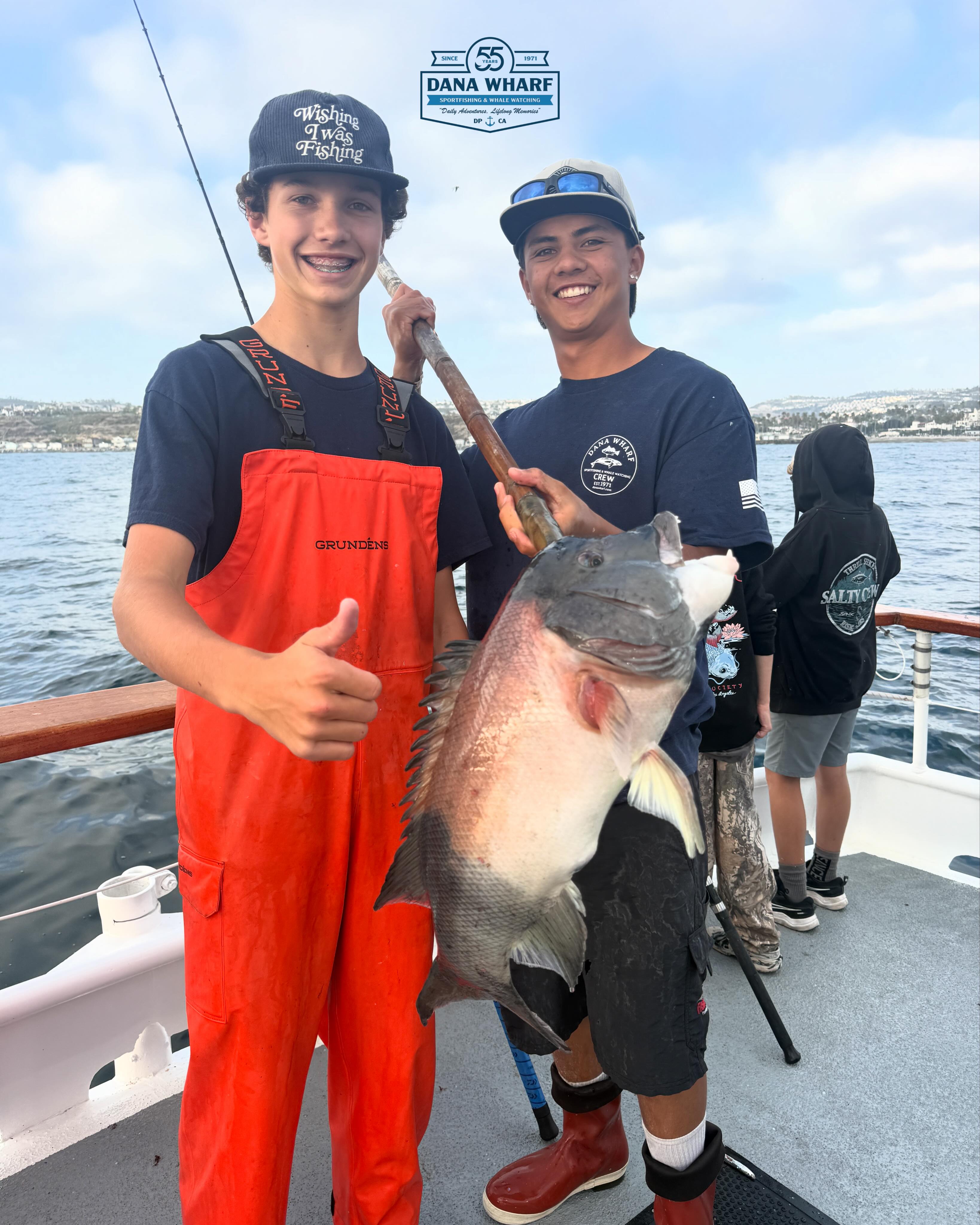
This is the one we beg people to listen to. No flip-flops. No sandals. The deck is wet, the bait tank splashes, and the hooks are everywhere. A pair of deck shoes, Vans, or old running shoes with a non-marking sole works fine. Cheap rubber deck boots are perfect if you want to commit. Whatever you wear, plan on hosing it off when you get home.
What to bring (the actual checklist)
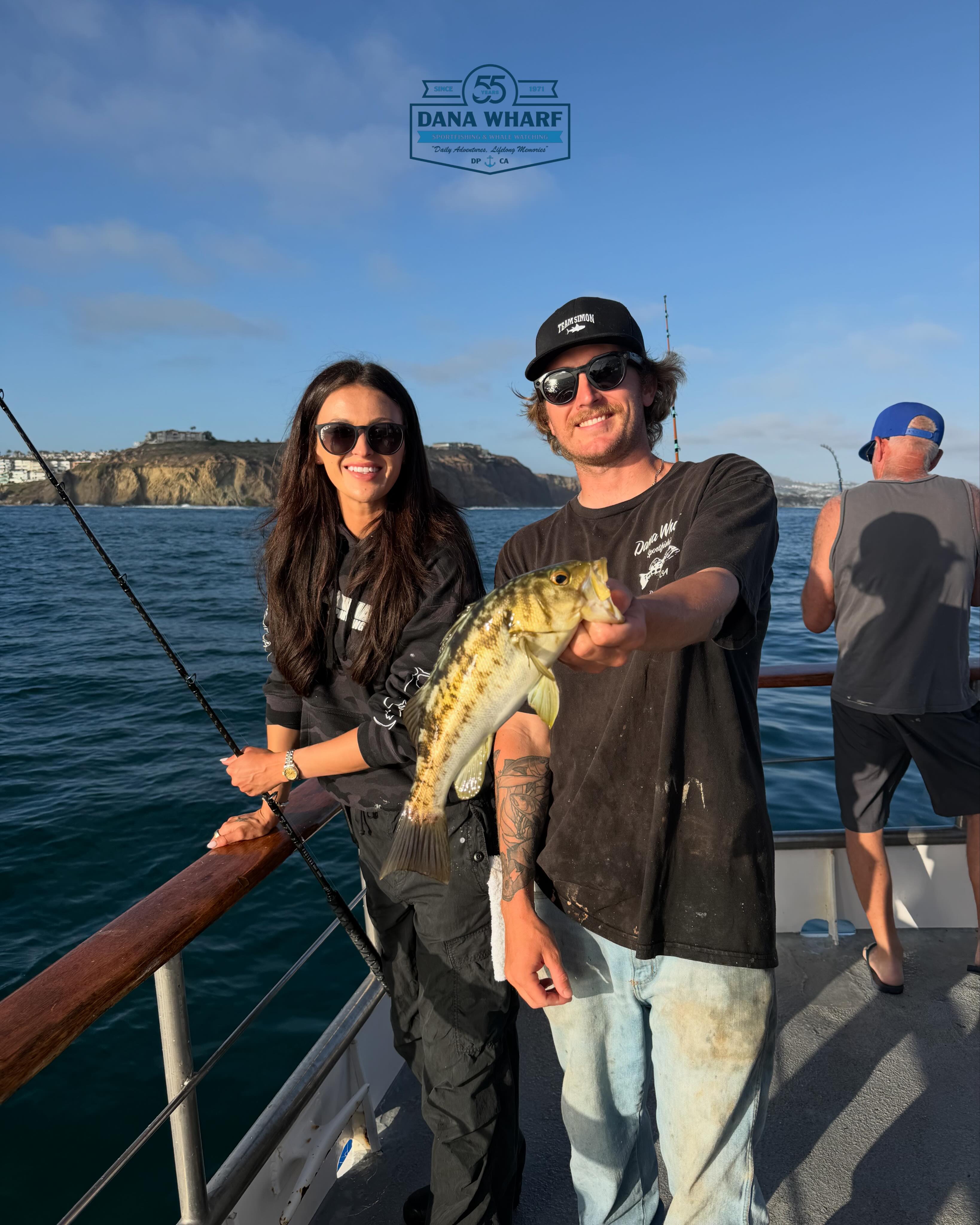
A short list, in order of what makes the biggest difference:
- Sunscreen. Reef-safe, mineral-based (zinc), at least SPF 30. Apply before you leave the harbor and reapply every two hours. The sun off the water will get under your hat brim, under your sleeves, and behind your ears. Lip balm with SPF too.
- Water and snacks. Our boats have a galley with drinks and food for purchase. Bring more water than you think you need, especially on full-day or overnight trips. Hydration is half the battle against seasickness.
- A small soft cooler for whatever you want to bring on board. We have a built-in fish hold for your catch, but a soft-sided cooler for your drinks and snacks is welcome.
- Cash for the deckhand tip. Around 20 percent of your fare is the standard in sportfishing. The crew fillets your fish, gaffs your catch, rigs your tackle, and untangles your line all day. Cash is appreciated and not always possible to add to a card.
- Seasickness prevention. If you are even slightly prone to motion sickness, take Dramamine or Bonine the night before AND the morning of. Ginger candies in your pocket. A Transderm Scop patch (prescription) for the truly susceptible. Sea-Bands work for some people. Once you are sick nothing helps, so prevent rather than treat.
- A small towel and a ziplock for your phone. Self-explanatory after the first wave breaks over the rail.
What you do not need to bring
- Rod and reel. We provide all the tackle on every trip. Bring your own if you want, but the loaner gear is rigged correctly for what is biting. The crew will set you up. If you want to brush up on your knots first, our four must-know fishing knots for SoCal anglers covers the basics.
- A fishing license you bought at home. Anyone 16 and older needs a California fishing license, and you can buy a one-day or annual license at our office before you board. Our California fishing license guide walks through the rules first if you want to read up.
- An ice chest for the fish. Fish hold is included. Bring a cooler for the drive home if you live more than an hour away.
- Excessive gear. Sportfishing boats are not big. There is limited locker space. Pack lean.
Half-day vs full-day vs overnight: does it change?
Yes. The longer the trip, the more you bring.
- Half-day (4 to 5 hours): Layers, sun, water, snack, sunscreen. That is it. You can survive a half-day with a backpack. Our half-day trips out of Dana Point are the easiest entry point.
- 3/4-day or full-day (8 to 12 hours): Add a real lunch (or eat from the galley), a warmer mid-layer for the longer run offshore, more sunscreen, and a charged phone or camera. Our full-day vs half-day vs twilight breakdown compares which trip suits you.
- Overnight or multi-day: Now you need a duffel. Sleeping bag (some boats provide, check ahead), toiletries, change of clothes, beanie for the middle of the night, more layers than you think. Overnight trips run cold, even in summer.
Does the season change what you wear?
Yes, a lot.
- Winter (December to March): Cold. Rockfish season opens, the air temp at dawn is in the high 40s, the water is in the upper 50s. Bring a real jacket, beanie, and gloves if your hands run cold. Hand warmers in your pockets. You will be glad you packed them.
- Spring (April to June): Variable. Mornings cold, afternoons can be warm. Classic layering weather. The breeze is steady.
- Summer (July to September): Warmest topside, but the water is still cool and the wind picks up most afternoons. Heavy on sun protection. You can almost always shed layers once the sun is up. The summer surface bite means you may be moving around the rail, so lighter and more mobile clothing helps. Our summer surface game breakdown covers what is biting.
- Fall (October to November): Beautiful weather and often the best fishing of the year. Layers still matter. Mornings cooler than people expect.
What Dana Wharf provides (so you do not have to)
Some things we have on board. Knowing this saves you packing space:
- All tackle, bait, and ice for the fish hold
- Fish cleaning and filleting at the dock when you return
- A galley with food, snacks, hot coffee, beer, and water for purchase
- Restrooms on every boat
- An indoor heated salon if you need to warm up
- Licensed crew who will rig your rod, untangle your line, gaff your catch, and tell you what to do
What you bring is mostly about you, the part of your day that you actually control.
The bottom line
Dress like you are going hiking on a windy mountain in the morning. Bring sun protection like you are at the beach by noon. Plan for a wet deck and slippery footing the whole time. Do that and you will have a great day.
If you are still piecing together a first trip and want help picking the right one, our complete beginner’s guide to deep sea fishing in Dana Point walks through every option. When you are ready to book, you can browse our sportfishing trips or call us at the wharf.
Show up dressed right. We will handle the rest.