
The Spring Awakening: How Fishing Changes from Winter to Spring in Dana Point
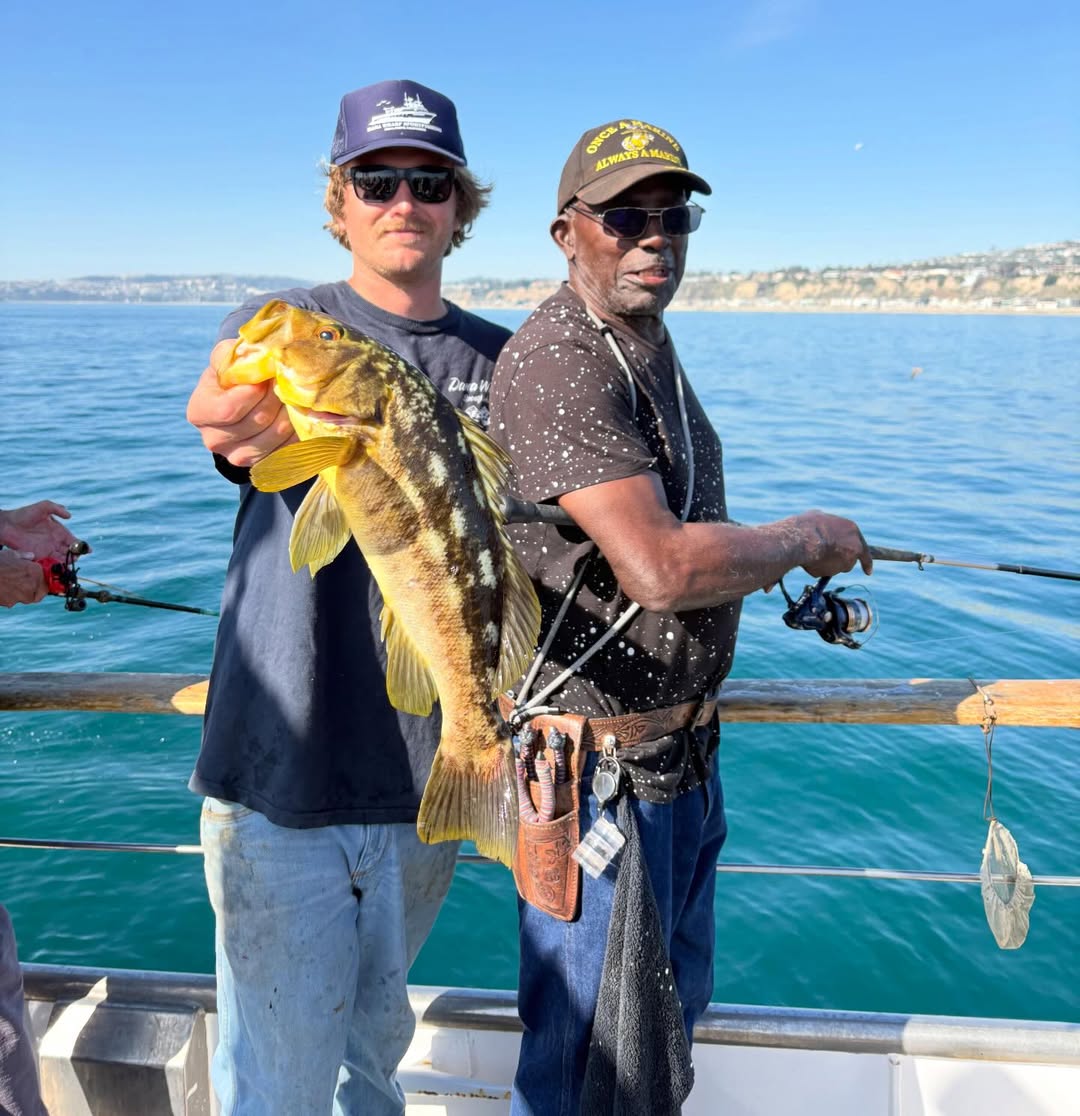
If you fish Southern California year-round, you know that the Pacific Ocean has moods.
During the winter months, the water is cold, the days are short, and the strategy is all about going deep. Winter fishing at Dana Wharf Sportfishing is dominated by heavy lead, dropping bait to the bottom, and pulling up cold-water species like Halibut, Sheephead, and deep-water Rockfish.
But as we move through March and into April, a massive shift happens off the coast of Dana Point. The days get longer, the water temperature slowly creeps up, and the ocean wakes up.
Here is exactly how the fishing conditions—and your target species—change as we transition from the winter grind to the spring awakening.
1. The Water Temp and the Bait
The entire ecosystem of the Pacific is driven by water temperature. In the winter, surface temps can dip into the upper 50s. But as spring arrives, the water starts pushing into the low-to-mid 60s.
-
The Squid Spawns: Spring often brings massive spawns of market squid near the islands and the coast. When the squid show up, the big predatory fish are right behind them.
-
Active Finbait: Sardines and anchovies become more active and abundant on the surface, which means the fish stop looking at the ocean floor for a meal and start looking up.
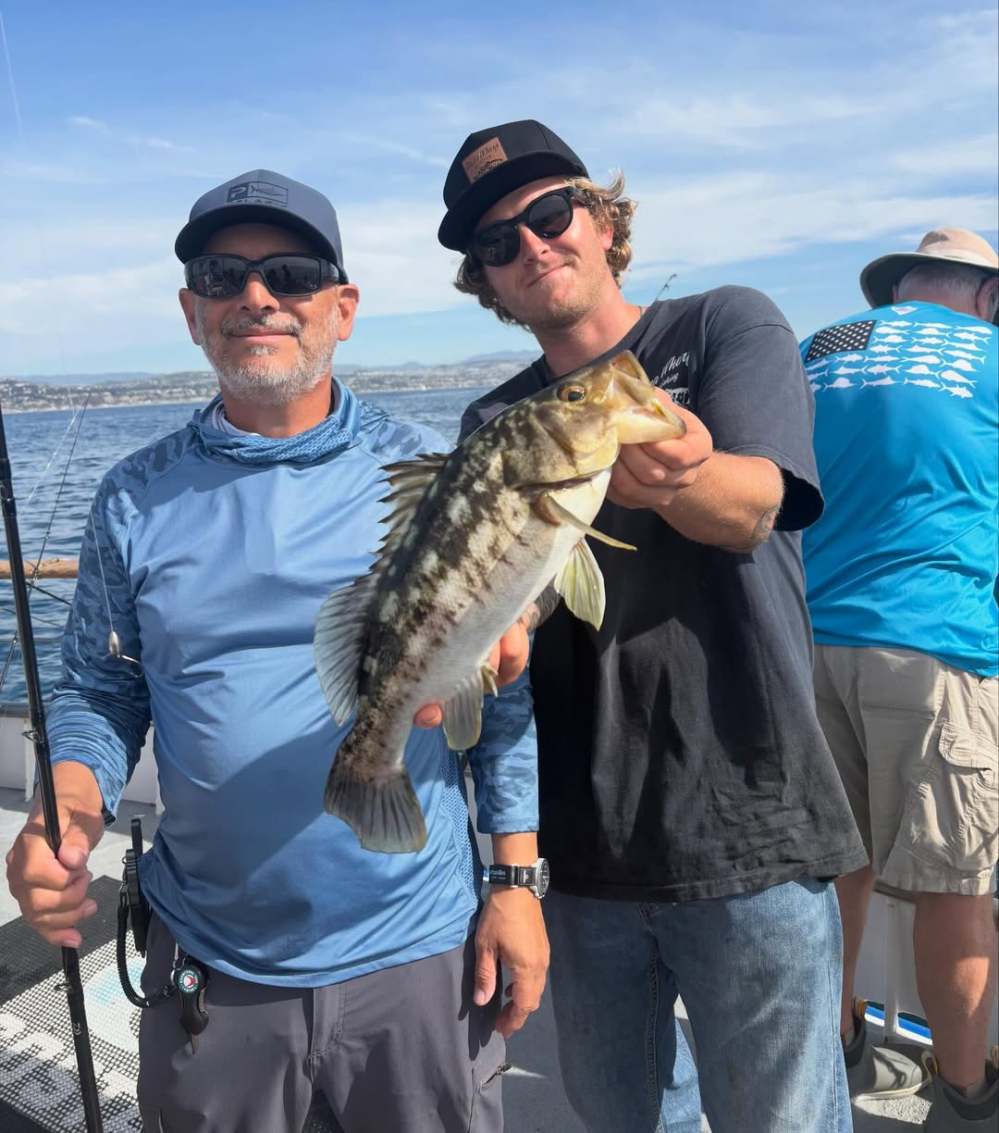
2. Leaving the Bottom: Waking Up the Kelp Beds
In January, Calico Bass (Kelp Bass) are sluggish. They hunker down deep in the kelp matrix and wait out the cold, requiring slow, patient fishing with cut bait to get a bite.
-
The Spring Shift: By late spring, the Calicos become highly aggressive. They move higher up in the water column to hunt. You can finally put away the heavy bottom rigs and start casting weedless swim baits and surface irons to trigger explosive, visual strikes right on the edge of the kelp.
3. The Arrival of the “Ghosts” and the “Jacks”
Spring is widely considered the absolute best time of year to hunt for two of Southern California’s most prized game fish.
-
White Seabass (The Ghosts): These elusive, massive fish are famous for biting during the spring squid spawns. If the local boats find the squid beds, dropping a live or fresh-dead squid on a dropper loop is your best shot at landing a 40-pound Ghost.
-
Yellowtail: While we catch them year-round, spring kicks off the island Yellowtail bite. As the water warms at San Clemente and Catalina islands, aggressive schools of Yellowtail begin hunting near the surface, eagerly chasing fly-lined sardines and surface jigs.

4. The Tackle Box Shift: From Heavy Lead to Flylining
The change in season means you need to change your gear.
-
Winter Gear: You spend winter holding heavy rods with 6 to 12-ounce torpedo sinkers to reach the bottom.
-
Spring Gear: Spring is about lightening up. You will switch to lighter fluorocarbon leaders, smaller hooks, and the “flylining” technique—hooking a live sardine with zero weight and letting it swim freely on the surface to attract fast-moving pelagics.
The Ultimate Crossover Month
March is the ultimate crossover month. You still have a chance to catch those giant winter bottom fish, but the surface action is just starting to explode. Plus, the Dana Wharf Halibut Derby runs through the end of March, giving you the perfect excuse to get on the water to chase that $1,000 grand prize before the season fully shifts!
Ready to shake off the winter chill? Book your spring sportfishing trip today at DanaWharf.com.