
The “Gray Whale Highway” is Open
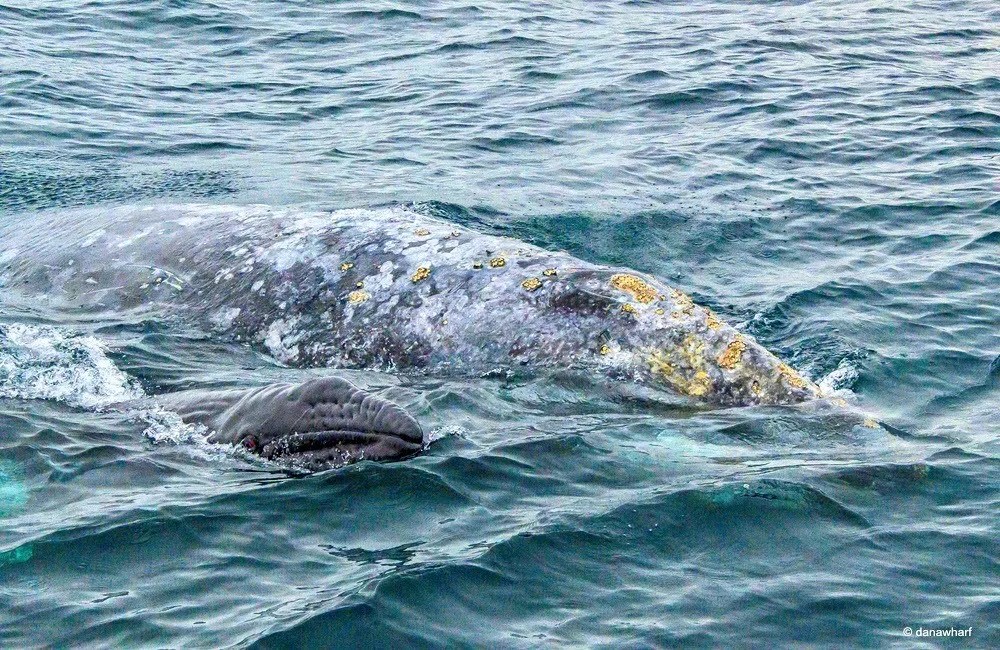
Have you ever wondered why Dana Point is considered the “Whale Watching Capital of the World”? It isn’t just luck—it’s geography.
In January and February, our coastline transforms into a busy interstate for marine traffic, affectionately known as the Gray Whale Highway.
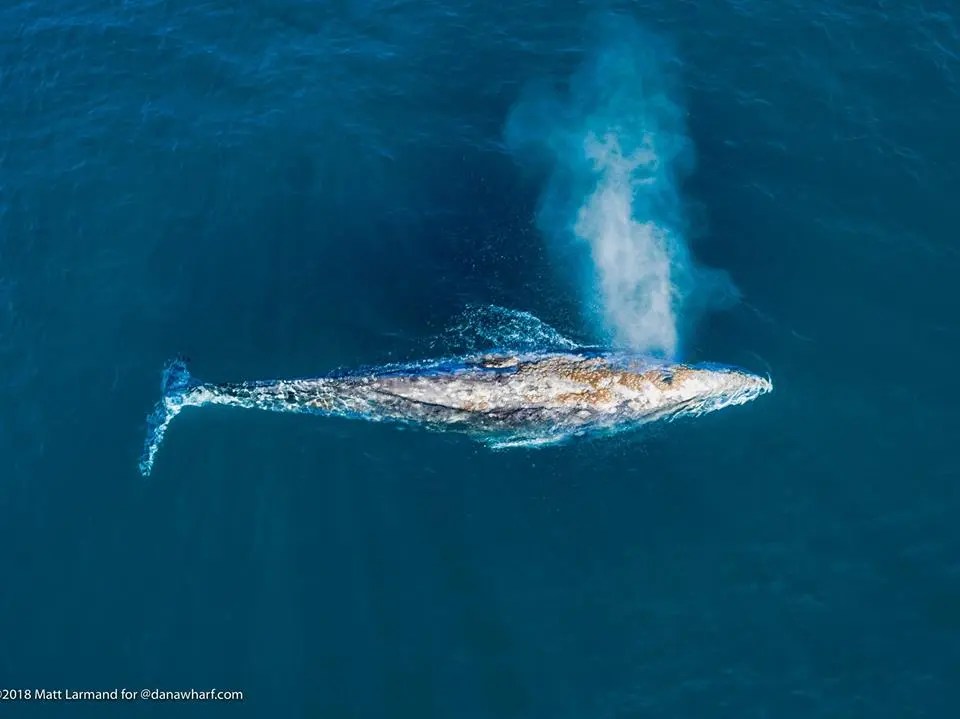
Why They Hug the Coast Gray Whales are unique among large whales because they are shore-huggers. Unlike Blue Whales that prefer deep offshore waters, Gray Whales use the coastline as a navigational tool during their 10,000+ mile round-trip migration. They often travel within a mile or two of the harbor, making them incredibly accessible for our whale watching boats.
The Dana Point Advantage Dana Point sits right on the edge of a deep underwater canyon. This topography pushes nutrient-rich water to the surface, but it also creates a narrow “lane” that funnels whales right past us. Because the continental shelf is so narrow here, the whales don’t have to travel far offshore, and neither do you.
What to Expect on the “Highway”
-
The Southbound Stream: In early 2026, we are seeing whales on a mission. They are swimming steadily south at about 3–5 knots.
-
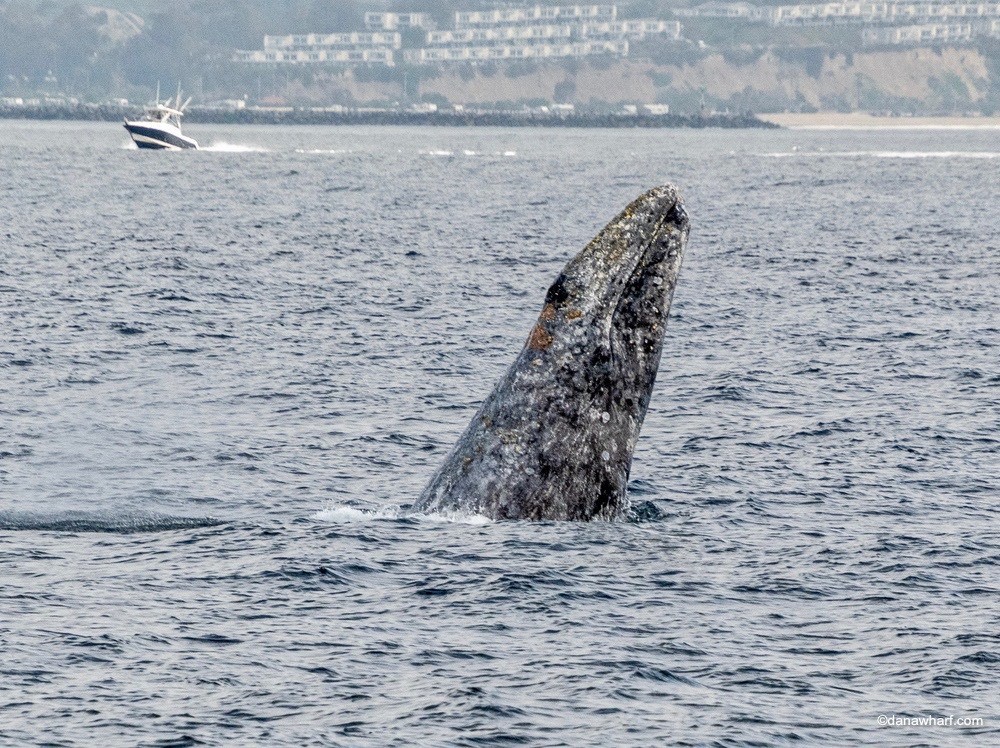
Spy Hopping: Gray Whales are famous for “spy hopping,” where they stick their heads vertically out of the water to take a look around.
-
The Footprint: Even if the whale is underwater, our expert captains can spot them by the “footprint”—a smooth, glassy circle left on the surface of the water by the movement of the whale’s tail fluke.
The highway is busy, and the traffic is heavy—but this is the kind of traffic jam you actually want to be stuck in.