
The “Bait Matrix”: How to Hook a Live Sardine so it Actually Gets Bit
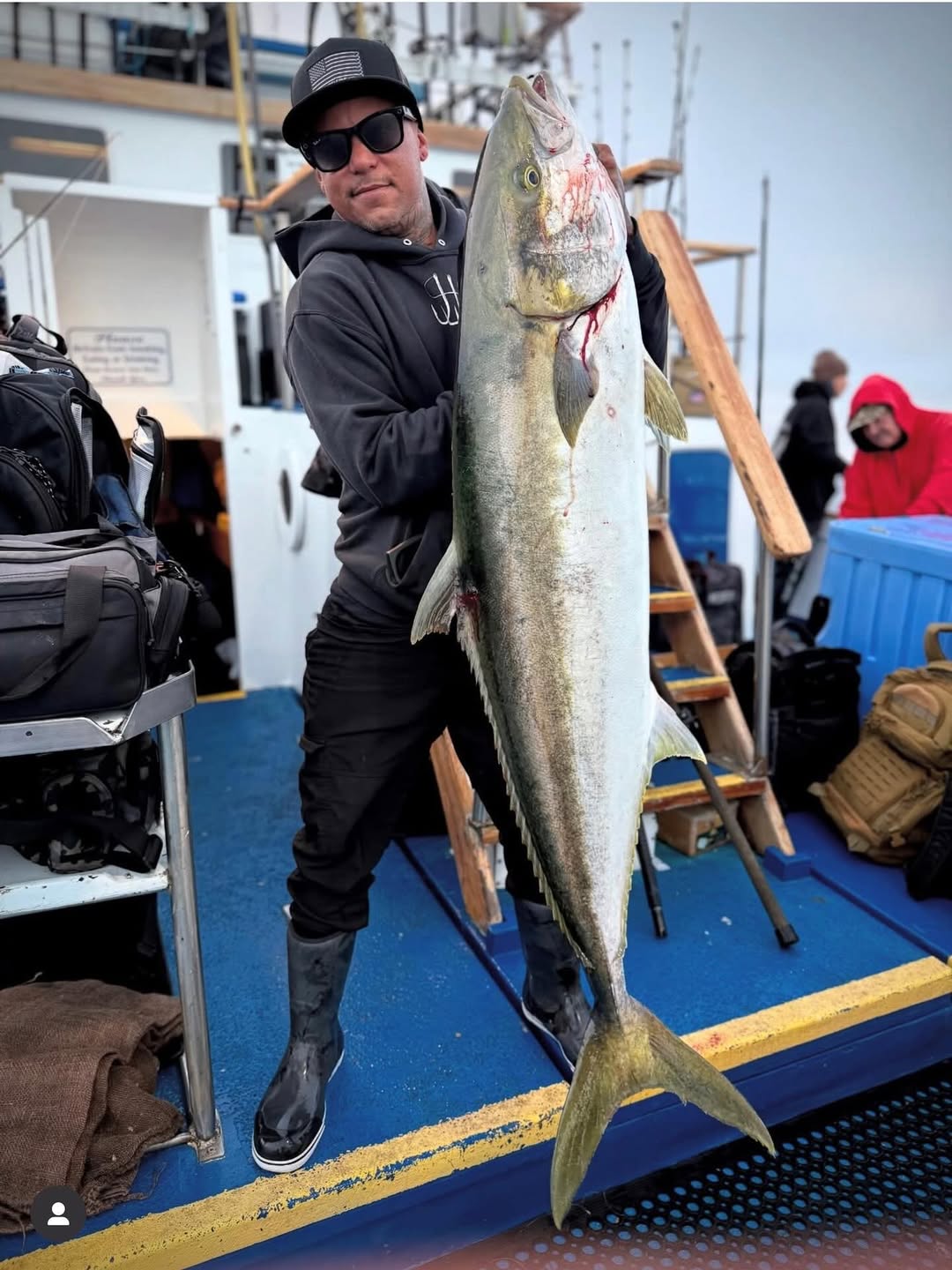
You can have the most expensive rod and reel on the boat, but if your live bait is spinning in circles or dies the second it hits the water, the fish are going to swim right past it.
When you fish with Dana Wharf Sportfishing, our bait tanks are loaded with fresh, lively sardines and anchovies. But knowing exactly how to put that bait on your hook is the difference between going home with a burlap sack full of fish and just washing your lures all day.
Here is the ultimate guide to hooking a live sardine for maximum action.
The Golden Rule: Don’t Squeeze the Bait!
Before we talk about hooks, we need to talk about handling. When you reach into the hand-wells to grab a bait, pick the fastest, greenest, hardest-to-catch sardine in the water. When you catch it, hold it as gently as possible. Squeezing the bait removes its protective slime coat and damages its internal organs, killing it before you even cast.
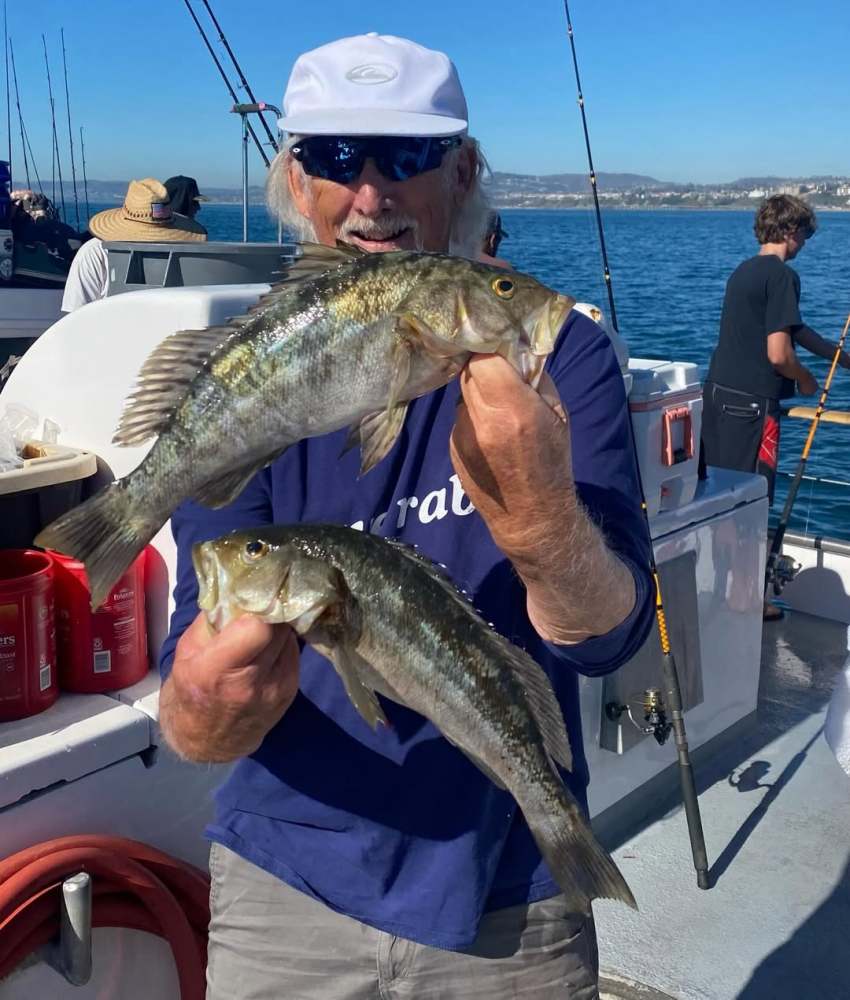
1. The Nose Hook (The Standard Cast)
This is the most common and versatile way to hook a bait, especially if you plan on slowly retrieving it or casting it into the kelp.
-
How to do it: Pass the hook horizontally right through the hard, clear cartilage in the snout of the sardine.
-
Why it works: You avoid the brain and the eyes, allowing the fish to breathe and swim naturally. When you retrieve the line, the bait is pulled forward naturally by the nose, imitating a fleeing baitfish.
2. The Collar Hook (For Flylining)
If you are “flylining” (fishing with zero weights) for surface-feeding Yellowtail or Tuna, this is your go-to hook placement.
-
How to do it: Pin the hook very lightly just under the skin, right behind the bony gill plate (the “shoulder/collar” area).
-
Why it works: Hooking the fish here irritates it slightly and throws off its center of gravity. This forces the sardine to swim frantically down and away from the boat, putting it right into the strike zone where the big predators are waiting.
3. The Butt Hook (The Deep Diver)
When the fish are holding deeper in the water column and ignoring surface baits, it’s time to break out the anal fin hook (often called the “butt hook”).
-
How to do it: Carefully pin the hook through the meaty section of the belly, just above the anal fin near the tail.
-
Why it works: Because the line is pulling from its back half, the sardine’s natural instinct is to swim aggressively downward to escape. This is a deadly secret weapon for triggering reaction strikes from deep-holding Yellowtail and big Calico Bass!
Ready to test your new skills? Book your next half-day or 3/4-day trip at DanaWharf.com and show the deckhands your perfect bait presentation!