
The “Baby Watch” Begins: Preparing for Cow & Calf Season
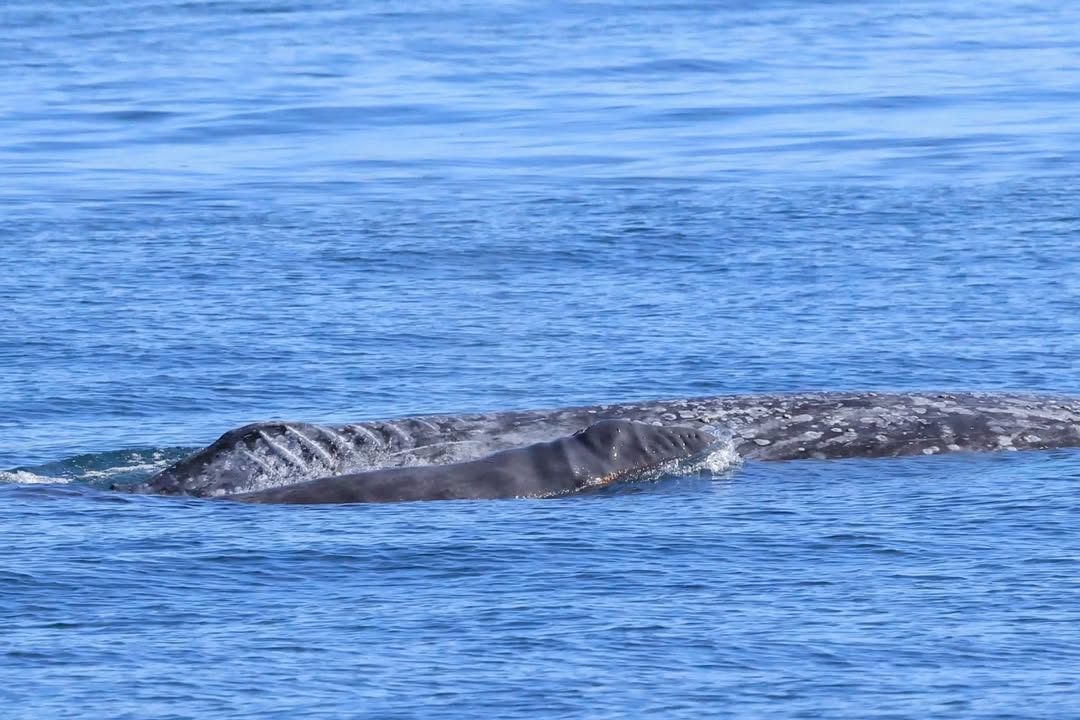
As we move through the peak of the winter migration, our captains and naturalists are starting to scan the water for something very specific—and very adorable.
We are approaching the most heartwarming phase of the Gray Whale season: Cow and Calf Season.
While the adult males and females without babies are already starting to turn around and head north, the new mothers are still down in the warm lagoons of Baja. But soon, they will begin their journey, and when they pass Dana Point, it offers a completely different whale watching experience.
Why Are They the Last to Arrive? You can think of the lagoons in Mexico as a “nursery.” Gray Whale calves are born there in the winter. The mothers stay as long as possible to let the babies nurse, gain weight, and build up the layer of blubber they need to survive the freezing waters of the Arctic. Usually, by March and April, the calves are strong enough to start the 5,000+ mile swim with Mom.
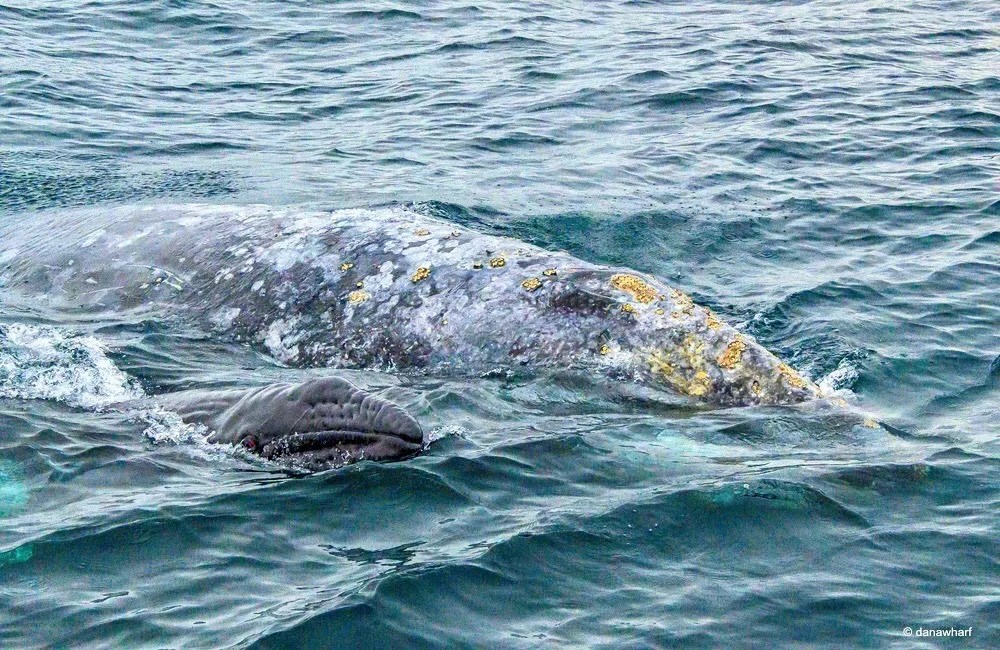
Why They Hug the Coast During the southbound migration in January, whales might travel a few miles offshore. But when the mothers and babies come back north in the spring, they hug the coastline extremely tight. We often see them swimming just outside the surf line!
Why? Safety. The open ocean is dangerous for a baby whale. Predators like Orcas (Killer Whales) and large sharks patrol deeper waters. By staying in the shallow water near the beach and kelp beds, the mother uses the coastline as a shield to protect her calf.

What to Look For Spotting a cow/calf pair is special.
-
The “Double Puff”: You will often see a large heart-shaped blow followed immediately by a tiny, clumsy puff of mist. That’s the baby!
-
The “Fluke Prints”: Calves are learning how to swim efficiently, so they often leave a lot of “footprints” (smooth circles on the water) as they kick their tails near the surface.
Plan Your Spring Trip Now While we are seeing the very first pairs now, the peak of the Cow and Calf migration typically hits in March and April. If you want to show your own children how a mother whale cares for her young, this is the time to book.