Floating Treasure: How to Fish an Offshore Kelp Paddy Like a Pro
When the Dana Wharf sportboats head offshore in the summer and fall, every set of eyes on the boat—from the captain in the wheelhouse to the anglers on the bow—is scanning the deep blue horizon for one specific thing.
A floating piece of detached kelp.
In the vast, featureless expanse of the open ocean, a single kelp “paddy” (or patty) is an absolute goldmine. Finding one can turn a slow boat ride into a wide-open, rod-bending frenzy in a matter of seconds. Here is why we hunt for these floating treasures and how to fish them like a seasoned pro.
The Micro-Ecosystem
Why do fish care about a floating clump of weeds? In the open ocean, there is nowhere to hide. A kelp paddy provides a rare canopy of shade and a habitat for tiny crabs and baitfish.
-
The Food Chain: The baitfish attract the smaller predators, which in turn attract the apex hunters.
-
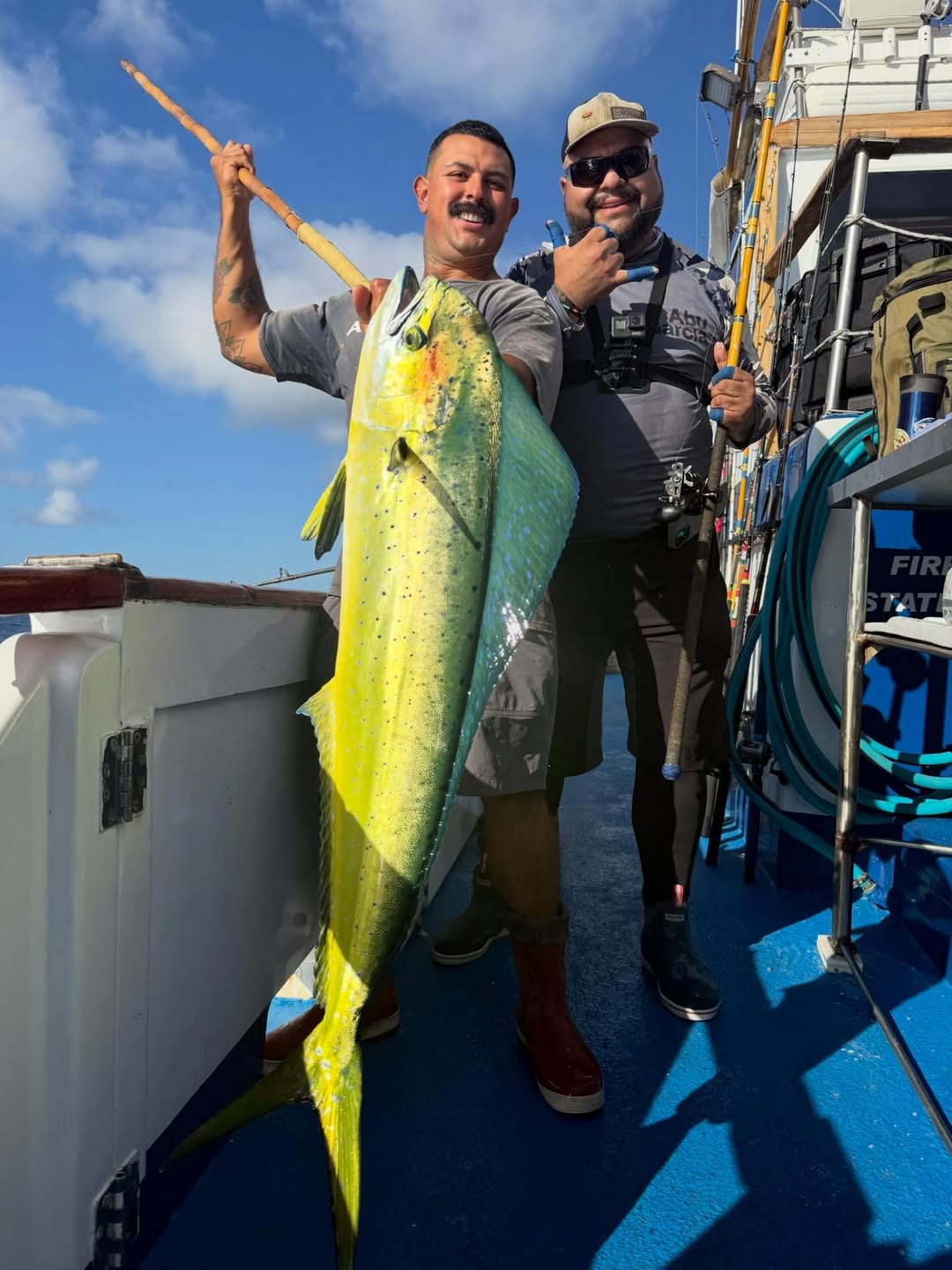
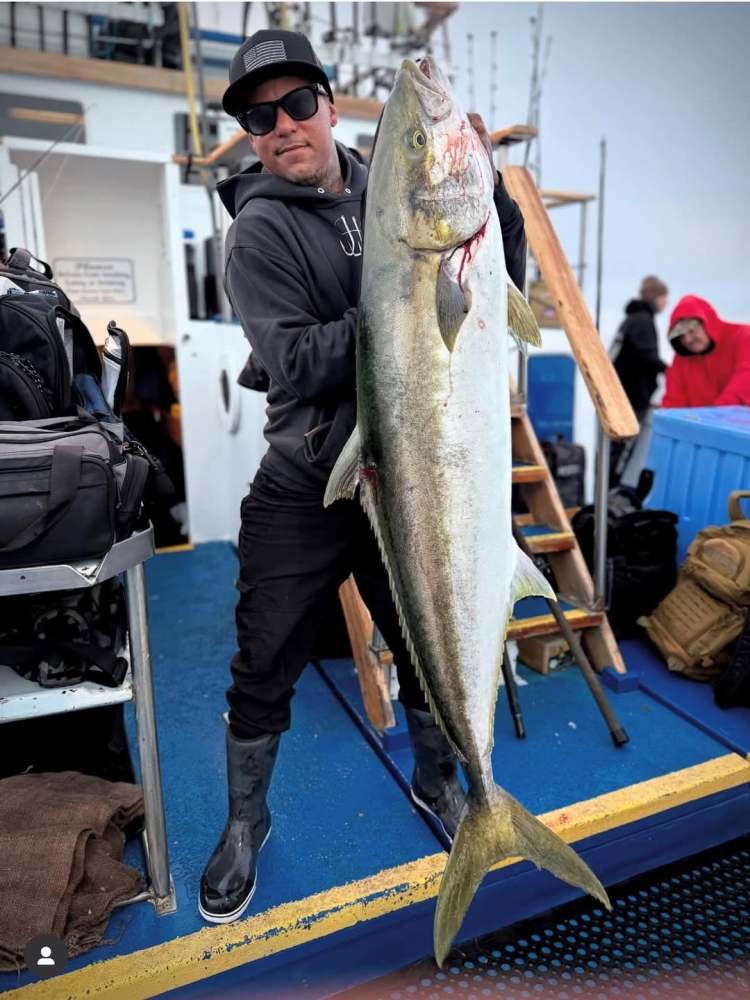
The Target Species: A single kelp paddy can hold massive schools of Dorado (Mahi Mahi), Yellowtail, and even Bluefin or Yellowfin Tuna circling in the deep water underneath.
The Approach: Sportboat Etiquette
When the captain spots a paddy, the energy on the boat instantly spikes. But there is a strict etiquette to approaching it.
-
The Stealth Slide: The captain will never drive the boat directly over the kelp, as the engine noise and massive hull will instantly spook the fish. Instead, they will position the boat upwind and let the vessel silently drift alongside the paddy.
-
Listen to the Crew: Wait for the captain to yell, “Bravo!” or “Throw bait!” before you cast.
The Cast: Don’t Hit the Salad
The biggest mistake beginners make is casting a heavy jig right into the center of the kelp. You will instantly get tangled, ruin your rig, and potentially spook the fish.
-
Fish the Edges: The predators usually patrol the perimeter of the kelp or hold deep beneath it. Cast your live sardine or swimbait 10 to 20 feet away from the edges and let the bait swim naturally toward the structure.
-
Watch for the Flash: Keep your eyes on the water! Dorado are incredibly visual hunters. You will often see a bright flash of neon green and gold darting out from under the kelp right before your line goes tight.
Offshore trips are the ultimate ocean treasure hunt. Book your 3/4-day or extended offshore safari at DanaWharf.com today!