Cracking the Code: How to Hook the Notorious Sheephead
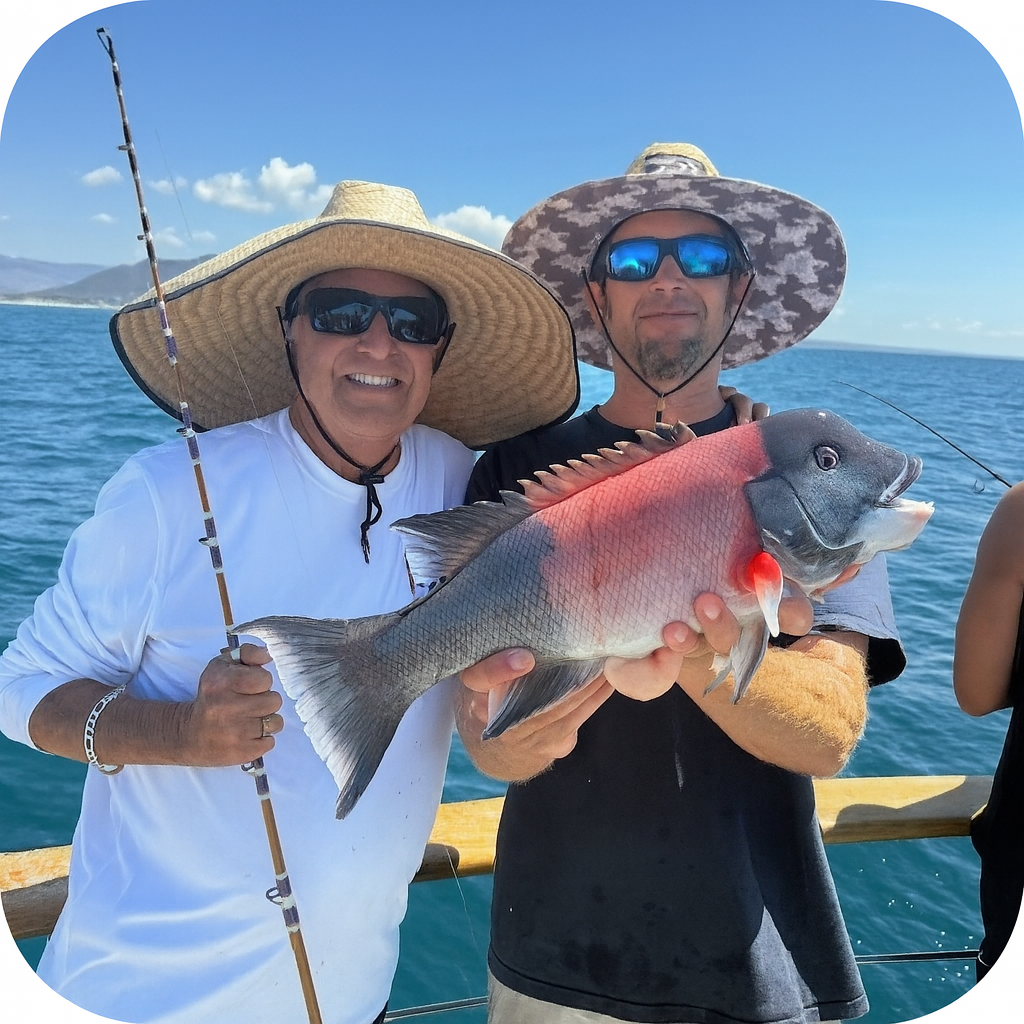
They have teeth that look like a human’s, they change gender from female to male, and they fight like a bulldog. The California Sheephead is one of the most iconic fish in our local kelp beds.
While many anglers catching them by accident while fishing for bass, targeting them specifically is a skill. Known as the “Poor Man’s Lobster” because of their diet of crabs and urchins, the meat is white, flaky, and delicious when prepared correctly.
Whether you are aboard a Dana Wharf ¾ day trip or fishing the hard bottom on your own skiff, here is how to pull the “Goat” out of the rocks.
1. The Habitat: Rocks and Reefs
Sheephead are structure-oriented fish. You won’t find them swimming in the open sand. They patrol the rocky bottom and the base of the kelp forests looking for crustaceans to crush.
-
Dana Point Structure: The captains at Dana Wharf are experts at parking right on top of the “stones”—the high-relief rocky spots off the coast.
-
The Zone: These fish are bottom dwellers. If your bait isn’t resting on or near the structure, you aren’t fishing for Sheephead.
2. The Menu: Crabs, Clams, and Squid
Sheephead have powerful jaws designed to crush shells. While they will eat a sardine, they prefer crunchy snacks.
-
Fresh Dead Squid: This is the standard boat bait. The key is to thread it on the hook so it doesn’t get ripped off easily.
-
Ghost Shrimp: If you want to be the “high liner” on the boat, bring your own bait. Sheephead cannot resist Ghost Shrimp or Side-spot Prawns.
-
Crushed Mussels/Urchin: If you are on a private boat, dropping a crushed mussel shell down is like ringing the dinner bell.
 3. The Rig: The Dropper Loop
Simplicity is key. Because you are fishing in snaggy, rocky territory, you want a rig that keeps your bait presented well but minimizes lost tackle.
-
The Setup: A standard “Dropper Loop” or “High-Low” rig. This places the weight at the very bottom and the hooks 12-18 inches above it.
-
The Weight: Use a torpedo sinker heavy enough to keep your line straight up and down (vertical). If you drift at an angle, you will snag the rocks.
-
The Hooks: Use a size #1 or #1/0 Shout Shank hook. Sheephead have small mouths but incredibly strong teeth. A long shank helps protect your line from being bitten through.
4. The Fight: Turn and Burn
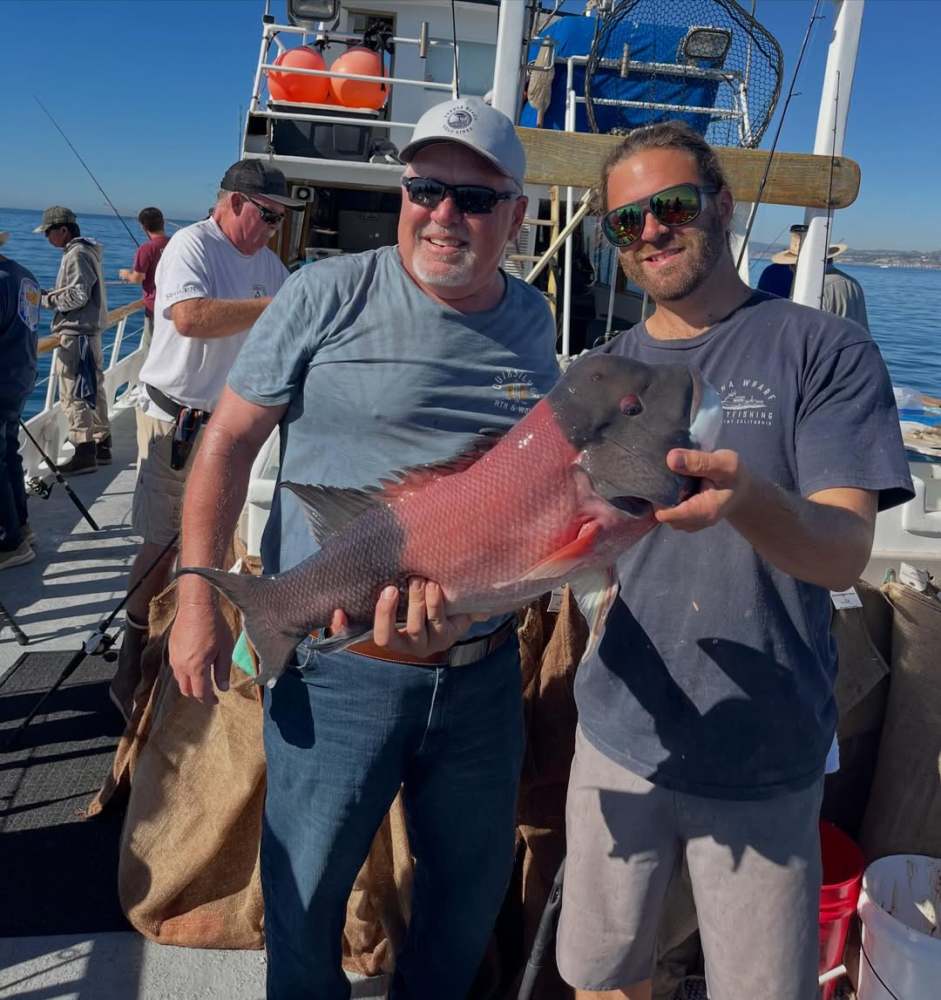
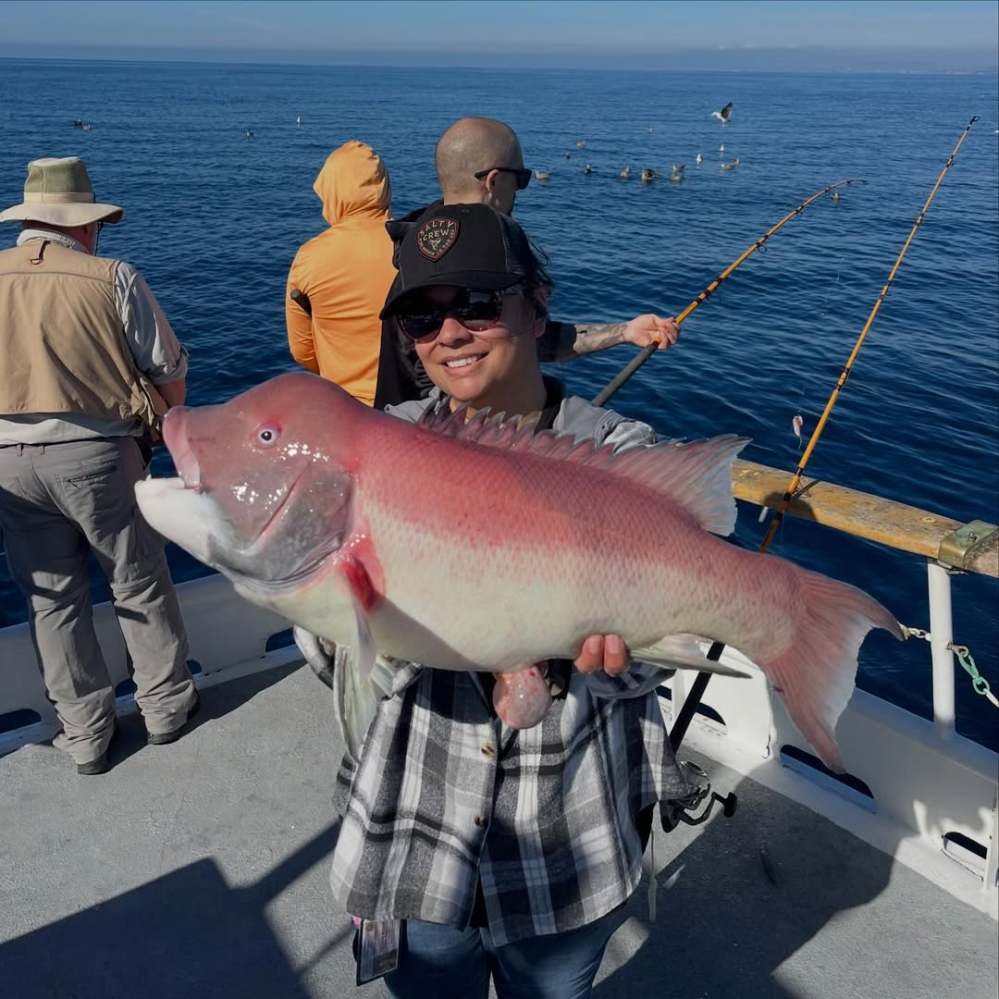
This is where most people lose the big males (the ones with the black head and red stripe).
When a Sheephead is hooked, its immediate instinct is to dive straight into a cave or wrap around a kelp stringer.
-
The Bite: It often starts with a few “pecks” or taps. Wait for the rod to fully load up (heavy weight) before you swing.
-
The Crank: Once you set the hook, wind! Do not pump the rod. You need to winch the fish ten feet off the bottom immediately to get him away from his hole. If you give him an inch of slack, he will rock you.
5. Pro Tip: The Dana Wharf Edge
If you are fishing on the Sum Fun, Clemente, or Fury:
-
Watch the Meter: Listen to the captain. If they say “marking hard bottom,” switch to the dropper loop.
-
Pin the Bait: If using squid strips, hook it through multiple times. Sheephead are notorious bait stealers; they will suck the squid off the hook if it’s dangling loosely.
-
Check your knot: Their teeth rub against the line. Retie your hook after every fish, or the next big one will snap you off.