
Best Whale Watching in Orange County: Where to Go and What to Know
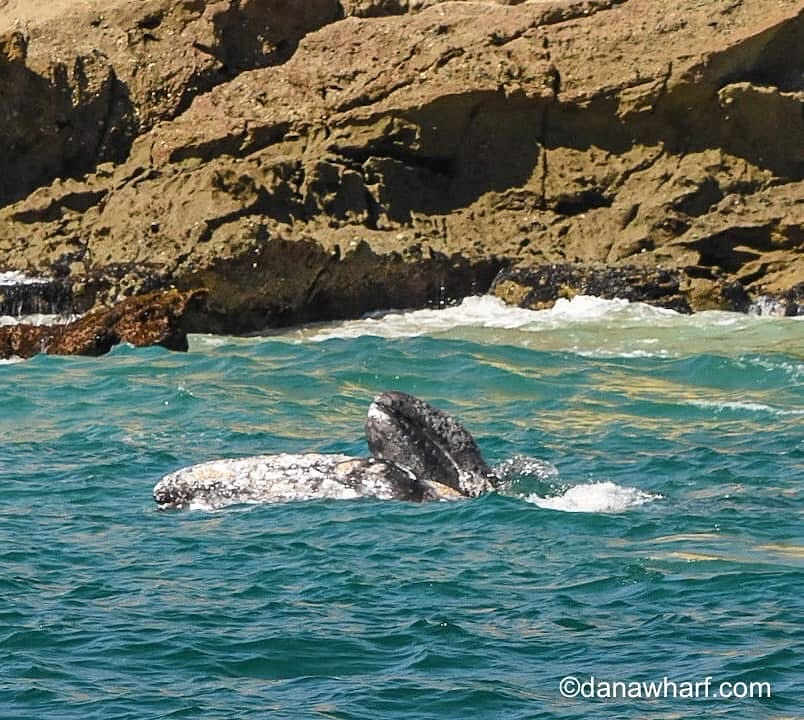
If you search “whale watching Orange County,” you’ll get a dozen results telling you roughly the same thing: there are whales off the coast, and you should go see them. But if you’re actually trying to figure out where to go and what you’ll see, those results don’t help much.
We’ve been running whale watching trips out of Dana Point Harbor since 1971. We were the first whale watching company in Orange County, and we’ve watched this coastline change over 55 years. So here’s what we actually know about whale watching in OC, based on thousands of trips and a whole lot of time on the water.
Where the Whales Actually Are in Orange County
The single most important fact about whale watching in Orange County is the underwater geography off Dana Point. The continental shelf drops off remarkably close to shore here, with the seafloor falling from a few hundred feet to over a thousand feet within two miles of the harbor entrance. That submarine canyon system creates a cold-water upwelling zone that concentrates krill, anchovies, and the whales that follow them.
That’s the reason Dana Point was designated the first Whale Heritage Site in the Americas by the World Cetacean Alliance in 2021, and trademarked the Dolphin and Whale Watching Capital of the World in 2019. The deep water close to shore is what makes Dana Point Harbor the clear best port for whale watching anywhere in Orange County and, frankly, in Southern California.
Other harbors along the OC coast sit over a wider, shallower shelf. The same migratory routes run past them too, but the run to the deep water where the bigger pelagic species feed is longer. On a two-hour tour, that math matters: less time getting there means more time with the animals.
Why Dana Wharf Has the Edge
On a typical spring trip right now, our captains are regularly reporting fin whales (the second-largest animal on Earth), northbound gray whales wrapping up their 10,000-mile round-trip migration, humpbacks, common dolphins by the hundreds, and the occasional surprise like a sea turtle or mola mola. Last week alone we had a day with 6 fin whales, 3 gray whales including a cow-calf pair, multiple dolphin pods, and 2 mola molas on a single trip.
The harbor itself matters too. Dana Point Harbor is compact and easy to navigate. Parking is straightforward, the walk from your car to the boat is short, and there’s none of the congestion you’ll find at larger commercial harbors. For families with kids or anyone who wants a relaxed start to their trip, that difference is real.
Dana Wharf has been running boats out of Dana Point Harbor since 1971, with the largest fleet in the harbor, naturalists on every trip, and multiple departures daily year-round. Our largest vessel, the 95-foot Dana Pride, is one of the most comfortable whale watching boats on the coast. Our 55-year track record and over 2,000 whale sightings already in 2026 speak for themselves. Check our whale watching schedule here.
What Whales Will You See (And When)?
Orange County is one of the few places in the world where you can whale watch productively in every month of the year. Here’s what the calendar looks like:
December through April: Gray Whale Season. This is peak migration season. An estimated 20,000 gray whales travel between their Arctic feeding grounds and the warm lagoons of Baja California, passing right through Orange County waters. You’ll see spouts, flukes, and if you’re lucky, the occasional breach. We’ve been seeing up to 8-10 gray whales on a single afternoon trip this spring.
May through November: Blue Whale and Fin Whale Season. As the grays finish their northbound migration, blue whales (the largest animals to ever live on Earth) and fin whales move into Southern California waters to feed on massive krill blooms. Blue whales can reach 100 feet long and weigh up to 200 tons. Fin whales, the “greyhounds of the sea,” can hit speeds over 20 mph. This spring we’ve already been seeing significant numbers of fin whales, which is an exciting early indicator for the summer season.
Year-Round: Dolphins, Humpbacks, and More. Common dolphins are here all year, often in pods of hundreds or even thousands (these gatherings are called “megapods” or “superpods,” and they’re spectacular to witness). Humpback whales have increasingly been spotted year-round off Dana Point. You might also see bottlenose dolphins, Pacific white-sided dolphins, sea lions, mola molas (ocean sunfish), and various seabirds including pelagic species that birders travel from around the world to see.
For a more detailed month-by-month breakdown, check out our complete seasonal whale watching guide.
How to Pick the Right Trip
A few things to consider when booking:
Trip length. Most standard whale watching trips run 2 to 2.5 hours. That’s enough time to get offshore, find wildlife, and spend quality time watching. Our standard trips give you plenty of time on the water without turning it into an endurance test, especially if you have younger kids.
Boat size and comfort. Larger boats are more stable in swells and usually have restrooms, snack bars, and covered seating. If you’re prone to seasickness or bringing kids, go with a larger vessel. Our fleet covers everything from the 95-foot Dana Pride down to smaller specialty boats.
Morning vs. afternoon. Morning trips tend to have calmer seas and better light for photos. Afternoon trips sometimes get windier, but the golden-hour light before sunset is hard to beat. We run both, and our captains will tell you that the whales don’t care what time it is. We’ve had mind-blowing sightings at every hour of the day. For more on this, read our take on morning vs. afternoon whale watching.
What to wear. It’s always cooler on the water than on land, even in summer. Layers are your best friend. Here’s our full guide on what to wear.
Is Whale Watching in Orange County Worth It?
Short answer: absolutely. Orange County sits along one of the most productive marine corridors on the planet, and Dana Point sits at the most productive point on that corridor. The combination of deep submarine canyons, nutrient-rich upwelling, and the California Current system creates conditions that support an incredible density of marine life.
We see whales on over 90% of our trips throughout the year. And even on the rare trip where the whales are being shy, the dolphins almost always put on a show. A pod of 500 common dolphins stampeding across the surface is something you won’t forget.
The real question isn’t whether you’ll see something remarkable. It’s whether you want to do this right. If you want the deepest water closest to shore, the most species diversity, the smallest harbor crowds, and the longest whale watching track record in Orange County, come see us in Dana Point.
We’ll be out there tomorrow. We’re out there every day. And after 55 years, we still get excited every single time a whale surfaces next to the boat.