
What Do Sharks Eat? (It’s More Surprising Than You’d Expect)
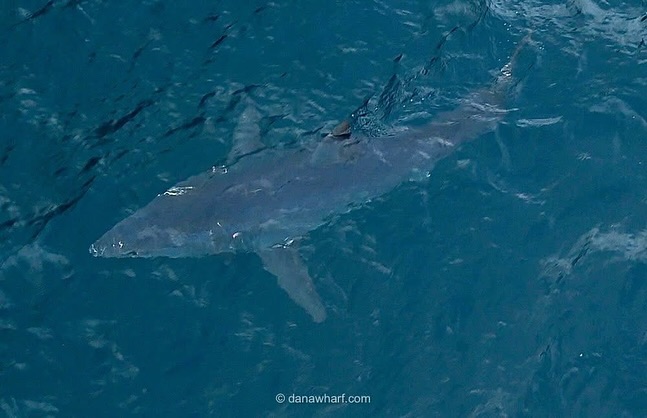
Sharks get a bad reputation, and a lot of that comes from the fact that most people’s understanding of what they eat starts and ends with “everything.” But the reality is a lot more interesting — and more specific — than that.
Having spent years on the water off the Southern California coast, I’ve seen how sharks actually behave in the wild. These are not the mindless eating machines the movies turned them into. Different species eat completely different things, and most of them are far more selective than you’d expect.
The Short Answer: It Depends Enormously on the Species
There are around 500 known species of sharks. They’ve been around for over 400 million years — longer than trees have existed. In that time, they’ve evolved into incredibly diverse ecological roles. What a whale shark eats versus what a great white eats versus what a nurse shark eats is about as different as what a cow eats versus what a wolf eats.
Great White Sharks: Marine Mammals, Mostly
Great white sharks are one of the most studied predators in the ocean, partly because they’re one of the few that occasionally interact with humans. Adults primarily eat marine mammals — sea lions, elephant seals, dolphins, and porpoises. They also eat fish, other sharks, and sea turtles.
Younger great whites eat mostly fish. The shift toward hunting marine mammals happens as they grow larger and need more calorie-dense prey. A 1,500-pound shark isn’t going to sustain itself on mackerel.
Off the Southern California coast, the Channel Islands are a primary great white hunting ground during fall, when elephant seals and sea lions are abundant there.
Whale Sharks: The Gentle Giants
Whale sharks are the largest fish in the ocean — up to 40 feet long — and they eat almost exclusively tiny things: krill, fish eggs, small fish, and plankton. They’re filter feeders, meaning they swim with their enormous mouths open and filter millions of gallons of water, keeping only the tiniest organisms.
Despite being gigantic, whale sharks are entirely harmless to humans. They’re so gentle that divers regularly swim alongside them.
Hammerhead Sharks: Stingray Specialists
Hammerheads are fascinating because their unusually shaped head — the cephalofoil — functions like a metal detector for sensing the electrical fields of prey buried in the sand. Stingrays are a primary prey item, and hammerheads are apparently immune to stingray venom. They also eat squid, octopus, fish, and other sharks.
Nurse Sharks: Bottom Feeders
Nurse sharks spend most of their time on the seafloor, hunting at night. They eat shellfish, crustaceans, octopus, and small fish — things they suck up with surprisingly powerful suction from their mouths. They’re slow, docile, and almost never aggressive toward humans unless provoked directly.
Shortfin Mako Sharks: Speed Hunters
Mako sharks are the fastest sharks in the ocean — capable of bursts over 40 mph — and they need that speed because their primary prey is also fast: tuna, swordfish, and other large, fast-moving fish. Makos have been found with swordfish bills embedded in their bodies, which tells you something about the intensity of those encounters.
We occasionally see mako sharks on our longer sportfishing trips out of Dana Point. They’re incredible animals to see in the water.
What Sharks Don’t Eat: Humans
Most shark attacks on humans are cases of mistaken identity — a surfboard from below looks a lot like a sea lion. Sharks investigate by biting (they don’t have hands), and when they realize it’s not what they were looking for, they typically disengage. The vast majority of shark encounters with humans don’t result in injury at all.
You’re statistically more likely to be struck by lightning multiple times than to be killed by a shark. Their role in the ocean ecosystem is vital — they keep prey populations healthy and in balance — and they deserve a lot more respect and a lot less fear than Hollywood gives them.
Sharks in Our Waters
Dana Point and the Southern California coast are home to several shark species, including leopard sharks (which are completely harmless to humans), blue sharks, thresher sharks, and occasional great white sightings further offshore. Check our Fish Count page to see what’s being caught and spotted near Dana Point, or explore our What You Could See guide for the full picture of Southern California marine life.