
The Best Time to Go Whale Watching in Dana Point (A Month-by-Month Guide)
Introduction
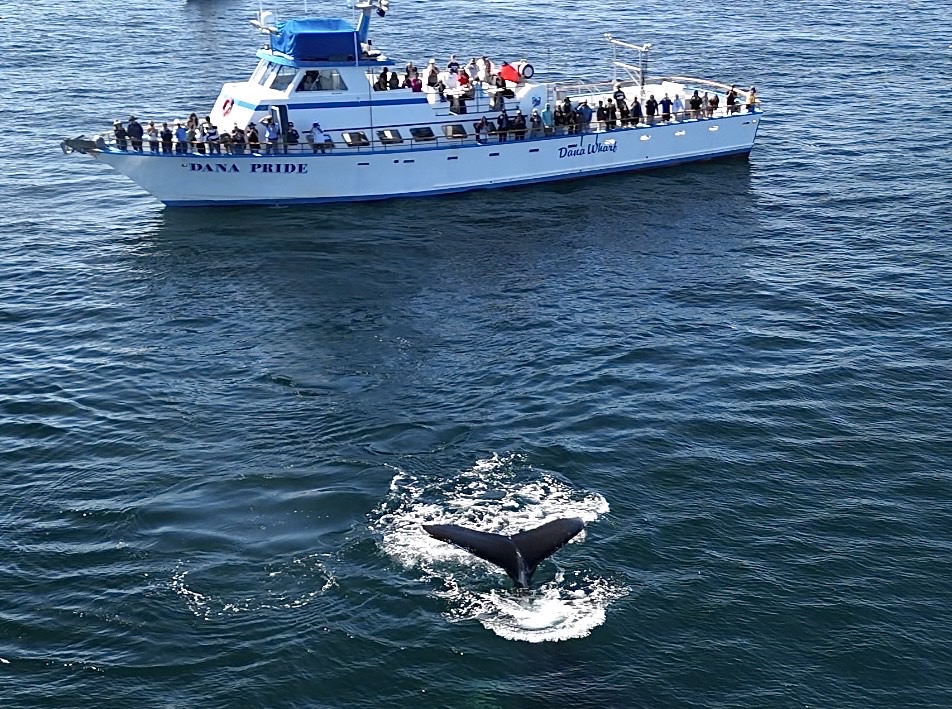
People ask us this constantly: “When’s the best time to see whales at Dana Point?” And our honest answer is — there isn’t really a bad time. Dana Point is called the Whale Watching Capital of the World for a reason. We have whale activity here essentially 365 days a year.
That said, different seasons bring different species, different volumes, and completely different vibes on the water. Here’s a month-by-month breakdown of what you can realistically expect.

January & February: Gray Whale Migration Peak
If you’ve never seen a gray whale, January and February are your months. The gray whale migration is one of the longest animal migrations on Earth — completing a round trip of roughly 10,000–12,000 miles between their feeding grounds in Alaska and the warm lagoons of Baja California where they give birth. And they pass right through our waters doing it.
We’re talking hundreds of whales in the channel during this window. It’s not unusual to spot five or six on a single trip. This is also when our Festival of Whales takes place — one of the longest-running whale festivals in the country.
March & April: The Transition Period
March is interesting because you start seeing the gray whales heading back north — this time with their calves. Baby gray whales make their first migration in March and April, and watching a mother and calf travel together is something you don’t forget quickly. The calves are curious too, which means they often come closer to the boat than the adults do.
April is also when we start picking up more dolphin activity and the occasional early humpback.
May & June: Dolphins Take Over
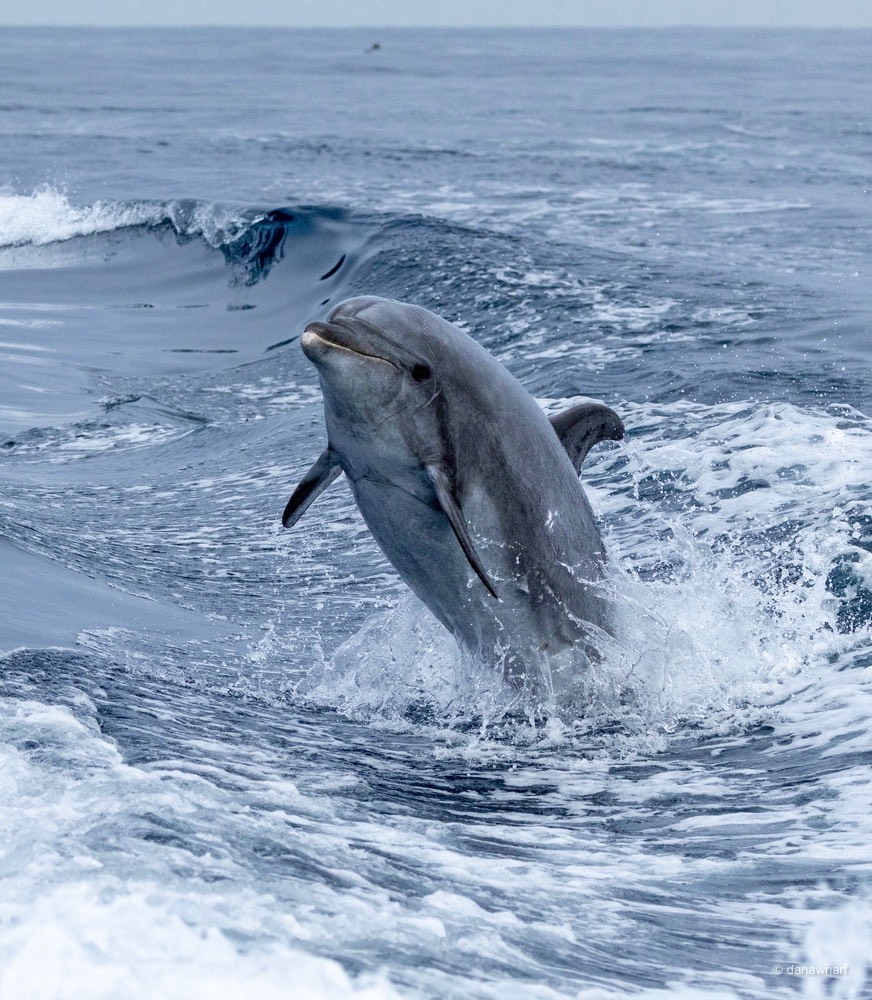
Late spring is honestly underrated. Gray whales have mostly moved on, but we start seeing enormous pods of common dolphins — sometimes hundreds of them traveling together in what we call a “mega-pod.” Watching that many dolphins sprint alongside the bow of the boat is something that stops everyone mid-conversation.
Blue whales also start appearing in late spring as they follow the krill blooms that develop offshore.
July & August: Blue Whale Season
Summer in Dana Point means blue whales. These are the largest animals that have ever existed on Earth — up to 100 feet long, hearts the size of a small car — and they come to Southern California waters every summer to feed on krill. Our longer offshore trips during this season have some of the best sightings of the year.
Our 8-Hour Ultimate Whale Watch is especially worthwhile in July and August when blue whales are most reliably out there.
September & October: Finback Whales and Mixed Bag
Fall brings finback whales — the second largest animal on Earth and one of the fastest whales out there. They’re a little harder to spot than humpbacks because they don’t breach as often, but seeing a 70-foot fin whale surface close to the boat is an incredible experience.
October is also a great month for weather. The summer fog has cleared, the water is a bit calmer, and you often get gorgeous clear views all the way to Catalina.
November & December: Early Gray Whale Action
The gray whale southward migration typically kicks off in late November and December. We start seeing scouts — usually older males — moving south before the main wave of mothers and pregnant females follows in January. Combined with continued humpback and finback activity, November and December are underestimated whale watching months.
Year-Round: Dolphins, Dolphins, Dolphins
One thing is consistent every single month: we almost always see dolphins. Common dolphins, bottlenose dolphins, Risso’s dolphins — Dana Point sits in their permanent home range. On the vast majority of trips regardless of season, you’re going to see them.
So What’s ACTUALLY the Best Time?
If we had to pick: January through March for sheer volume of whale activity and the magic of the gray whale migration. July through August for blue whales, which are genuinely unlike anything else. And honestly, if you live nearby, an Annual Whale Watching Pass makes sense — you get to experience multiple seasons for less than the price of a few individual tickets.
Check out our current Whale Watching schedule at Dana Wharf and book based on when works for you. Any month you pick, we’ll do our best to make it worth it.