
What Is a Pelagic Bird? (And Why Dana Point Is One of the Best Places to See Them)
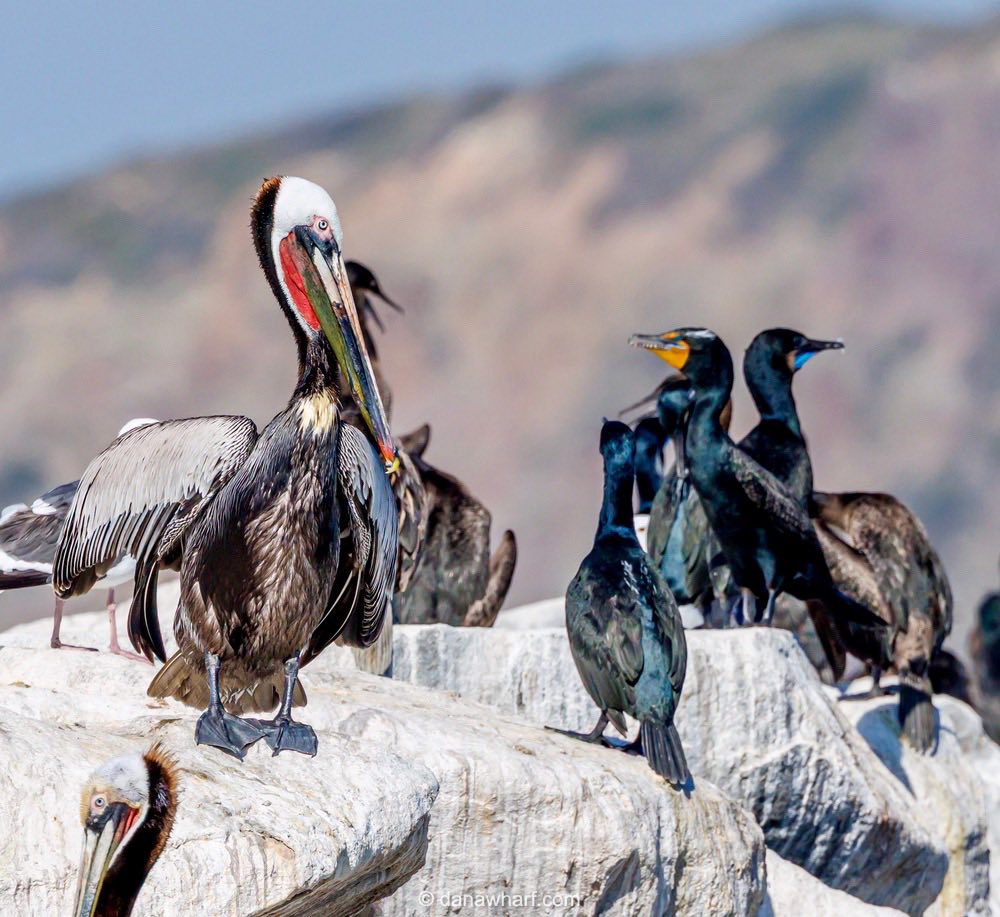
“Pelagic” is one of those words that feels more complicated than it is. It just means “open ocean.” A pelagic bird is a bird that lives its life primarily on or over the open sea — coming to land only to breed, and spending the rest of its existence over water that can be hundreds or thousands of miles from any shore.
Most people have never seen one. Most birdwatchers spend their whole careers chasing them because they’re so difficult to access. And yet, from Dana Point, some of the most spectacular pelagic species on the Pacific Coast are within reach of a single boat trip.
What Makes Pelagic Birds Different
These birds have evolved for an environment that would kill most other creatures. They navigate by smell and magnetic fields across featureless ocean. They drink saltwater, processing it through specialized glands above their eyes. Some species can live 50+ years without ever landing on anything except water or a nesting site.
They’re not rare because they’re declining (though some are) — they’re rare from a birdwatcher’s perspective because you simply can’t see them from shore. You have to go out to find them.
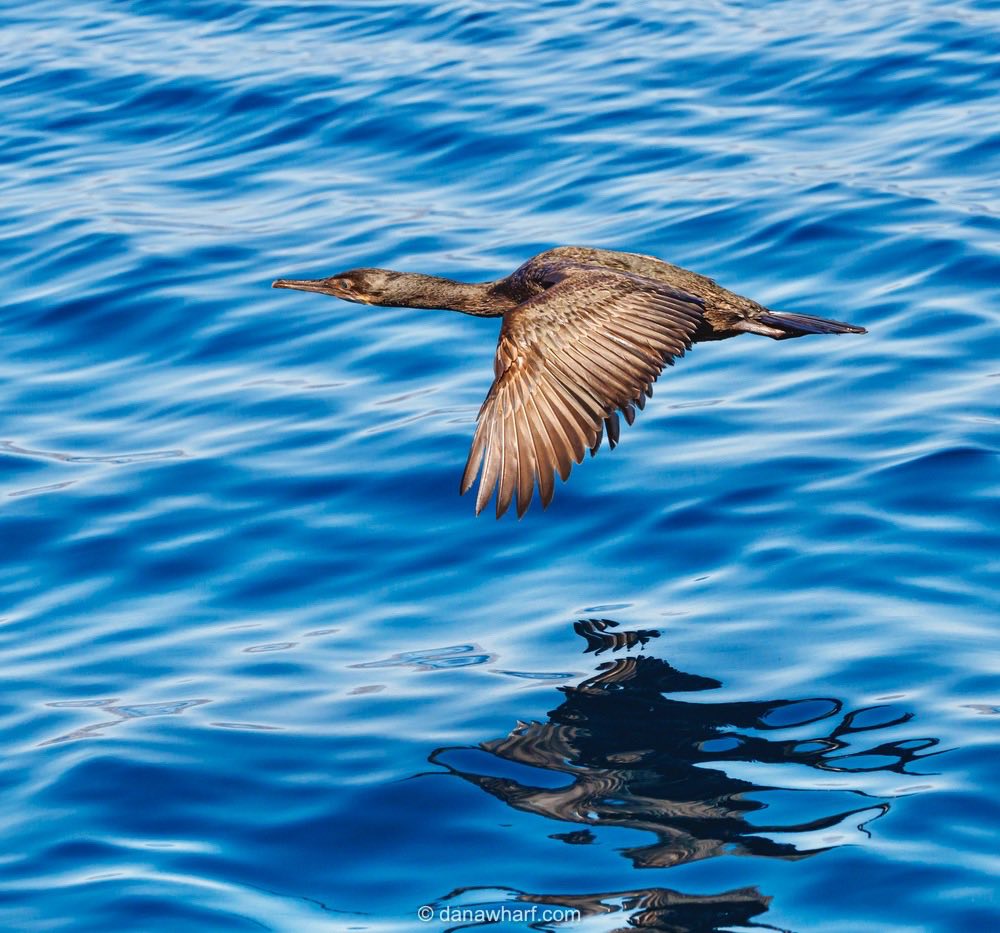
Species You Might See Off Dana Point
Black-footed Albatross: One of the most sought-after Pacific seabirds. A massive bird with a 7-foot wingspan that glides effortlessly on ocean winds. They follow fishing boats for scraps and can appear alongside whale watching vessels. Seeing one bank on the wind 10 feet off the water is something you don’t forget.
Shearwaters: Sooty shearwaters, Pink-footed shearwaters, and Buller’s shearwaters can all be spotted offshore from Dana Point. They shear the water surface with their wingtips when flying, hence the name. They can travel millions of miles per year in their migrations.
Storm-Petrels: Black Storm-Petrels and Ashy Storm-Petrels are tiny birds — smaller than a robin — that somehow live their entire lives on the open ocean. They look impossibly small and fragile to be out in the Pacific, and watching them bounce along the wave tops is mesmerizing.
Phalaropes: These small shorebirds actually become pelagic in winter, spending months on the open ocean. They spin in circles on the water to create upwellings that bring small crustaceans to the surface. If you see a small bird spinning obsessively in the water, that’s a phalarope.
Sabine’s Gull and Pomarine Jaeger: Less common but possible in fall migration — Sabine’s Gulls are strikingly beautiful with their forked tails, and Jaegers are the pirates of the sky, chasing other birds to steal their food in mid-air.
Why Dana Point Specifically
A few factors make Dana Point a particularly good launching point for pelagic birding. The submarine canyon offshore creates productive upwelling — cold, nutrient-rich water rises to the surface, which feeds the food chain from krill up to large seabirds. The same conditions that attract whales attract birds. It’s the same reason we see so much wildlife out here year-round.
Dana Point also has a long history of naturalist programs and a community of serious birders who have documented what’s possible here over decades of trips.
Dana Wharf’s Pelagic Birding Tour
We run a dedicated Pelagic Bird Watching trip out of Dana Point specifically for this. These aren’t casual whale watch trips where birds are a side note — these trips are designed with birders in mind, going to the offshore areas where pelagic species concentrate.
They’re a great option for experienced birders who want to tick off some Pacific lifers, or for curious first-timers who want to experience the open ocean in a completely different way. And honestly? The whale and dolphin sightings on these trips are often outstanding too.
Check our What You Could See page for more on the full range of wildlife in our waters, and book a pelagic birding trip if you want to go offshore and see what’s really out there.