
How Smart Are Dolphins? (A Lot Smarter Than You Probably Think)
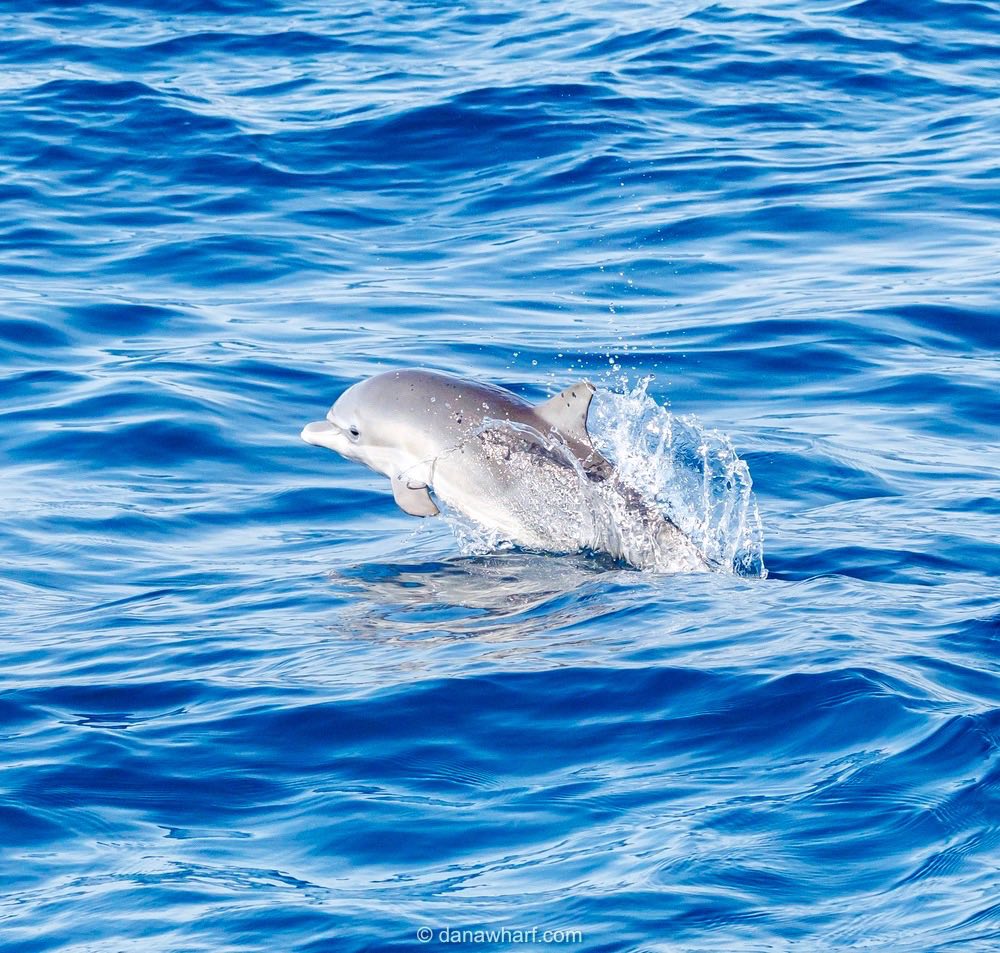
Every time we have a pod of dolphins riding the bow wake of our boat — which happens on most of our whale watching tours out of Dana Point — I watch people’s faces change. There’s something about being close to a dolphin that makes you immediately suspect you’re dealing with something more than just a fish.
You’re right. Dolphins are among the most cognitively complex animals on the planet. Here’s what the science actually shows, and some of it is genuinely remarkable.
The Brain Basics
Dolphins have large, complex brains relative to their body size. The ratio of brain size to body size — called the encephalization quotient, or EQ — is the primary metric scientists use to estimate cognitive potential across species. Humans have the highest EQ of any animal. Bottlenose dolphins rank second among non-human animals, above great apes.
The dolphin cerebral cortex is also heavily folded — surface area indicates processing capacity, and dolphin brains show extensive folding comparable to primates. The limbic system, associated with emotional processing, is also highly developed in dolphins, which correlates with their complex social behavior.
Self-Recognition: The Mirror Test
One of the most widely used tests for self-awareness is the mirror test: does the animal recognize that the reflection is itself? Most animals investigate a mirror as though it’s another animal. Dolphins — along with great apes, elephants, and magpies — pass the mirror test. They use mirrors to examine parts of their body they can’t otherwise see, which indicates an understanding of “self.”
This isn’t a trivial finding. Self-recognition is considered a marker of a more abstract type of consciousness — an awareness of existing as a distinct individual.
Language and Communication
Dolphins communicate using a complex system of clicks, whistles, and body postures. What’s remarkable is that individual dolphins develop unique signature whistles — specific calls that function essentially as names. Other dolphins learn and use these signature whistles to address specific individuals, which is something almost no other animal does outside of humans.
Research has also shown that dolphins can understand artificial language systems with symbols and gestures, grasp rules of syntax (meaning changes when word order changes), and understand the concept of “novel” — recognizing when something is new vs. something they’ve seen before.
Tool Use
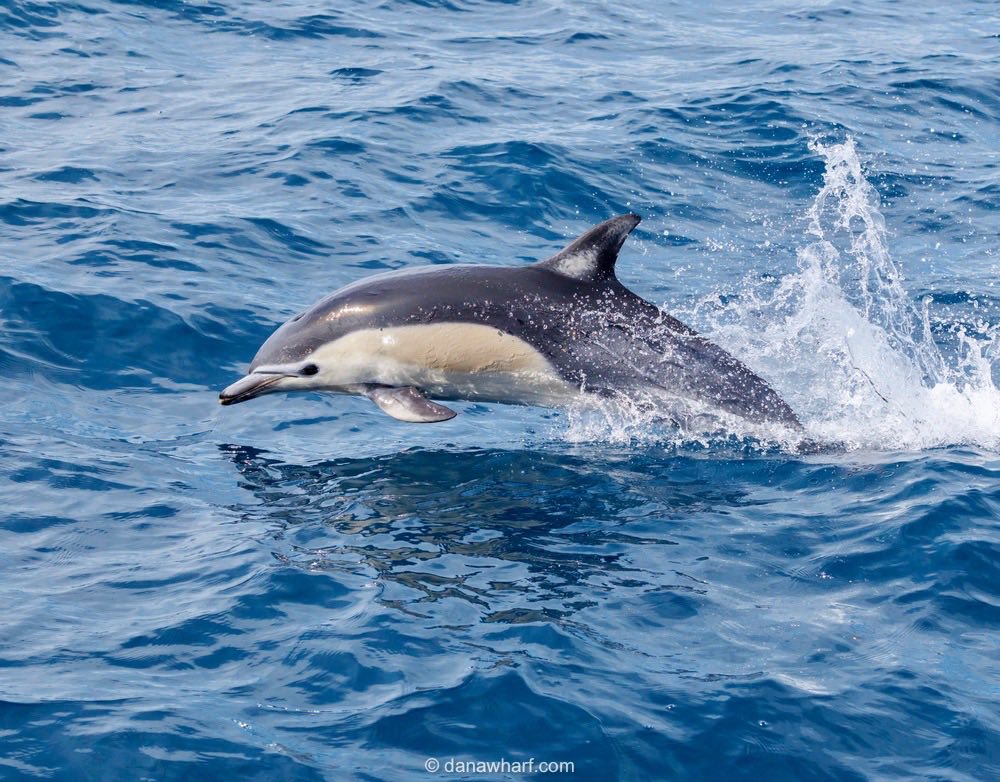
Bottlenose dolphins in Shark Bay, Australia have been documented using marine sponges as tools — carrying them on their rostrums (beaks) while foraging on the seafloor to protect their sensitive skin from abrasion. This behavior is learned culturally, passed from mothers primarily to female offspring (and some sons), which means it’s not just instinct — it’s social transmission of knowledge.
That’s the same basic mechanism through which human culture works. We learn skills from others and pass them forward.
Social Complexity
Dolphins live in fission-fusion societies — fluid social groups where subgroups come together and split apart, requiring individuals to track complex, shifting social relationships over long periods. This demands a lot of cognitive processing: remembering who’s in your alliance, who wronged you last month, who you can trust.
Dolphins form long-term alliances — male bottlenose dolphins often maintain cooperative partnerships for decades. They have been documented helping injured individuals (including humans), which is associated with empathy. They also play — elaborate, inventive play that isn’t immediately functional, which in animal cognition research is considered a marker of advanced intelligence.
Echolocation: A Sensory Superpower
Dolphin intelligence also shows up in their sensory capabilities. Their echolocation system is so precise they can distinguish objects differing in thickness by a fraction of an inch from several meters away. They can literally “see” inside objects — echolocation penetrates tissue, meaning dolphins can detect a fish hiding in sand or detect the internal organs of another animal.
Their brains process echolocation data in a way that creates a three-dimensional “acoustic image” — essentially, they have a second way of forming mental pictures of the world beyond sight. Understanding both systems simultaneously requires significant neural processing capacity.
What This Means When You See Them
When a pod of dolphins rides alongside our boat, they’re not doing it because they got pushed there by the bow wave. They choose to come. They’re curious, they’re playing, they’re being social — all behaviors that reflect a rich internal life.
Take a look at our ACS Whale & Dolphin Information page for more science on the animals we share the water with, and check our What You Could See guide for the species you might encounter on your trip.
And if you want to meet them up close — book a whale and dolphin watching tour with us. After a few minutes watching a pod interact, you’ll understand exactly what all this research is pointing at.