
How Marine Technology is Revolutionizing Whale Watching in 2026
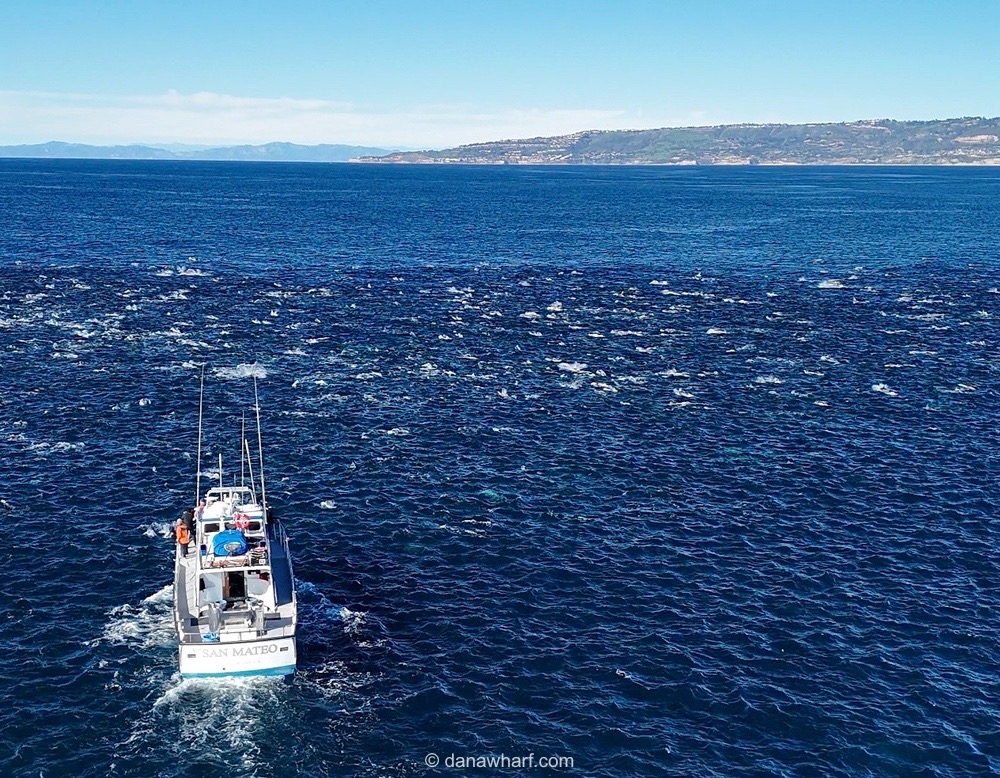
Remember when whale watching meant staring at the horizon for hours, just hoping for a random splash? It used to be a beautiful game of hide-and-seek in a massive ocean.
While the ocean is still wild and unpredictable, your trip out of Dana Point—the Dolphin & Whale Watching Capital of the World®—has evolved. Thanks to massive leaps in marine networking, digital tracking, and community science, your trip with Dana Wharf Whale Watching is no longer a guessing game. It is an educated, highly coordinated ocean safari.
Here is how the modern era is making your whale-watching experience better than ever:
1. The Coastal “Information Highway”
In the old days, captains relied on a few crackly VHF radio calls to find out what was happening a few miles away. Today, our captains are tapped into a massive, real-time digital network that stretches up and down the Southern California coast.
-
The Heads-Up: We might not know the exact GPS coordinates of a whale before we leave the harbor, but we do get instant reports from commercial fishermen, researchers, and other boats in San Diego or Newport. If a pod of Orcas or a migrating Blue Whale is spotted heading our direction, our wheelhouse knows to intercept them.
2. Eyes in the Sky
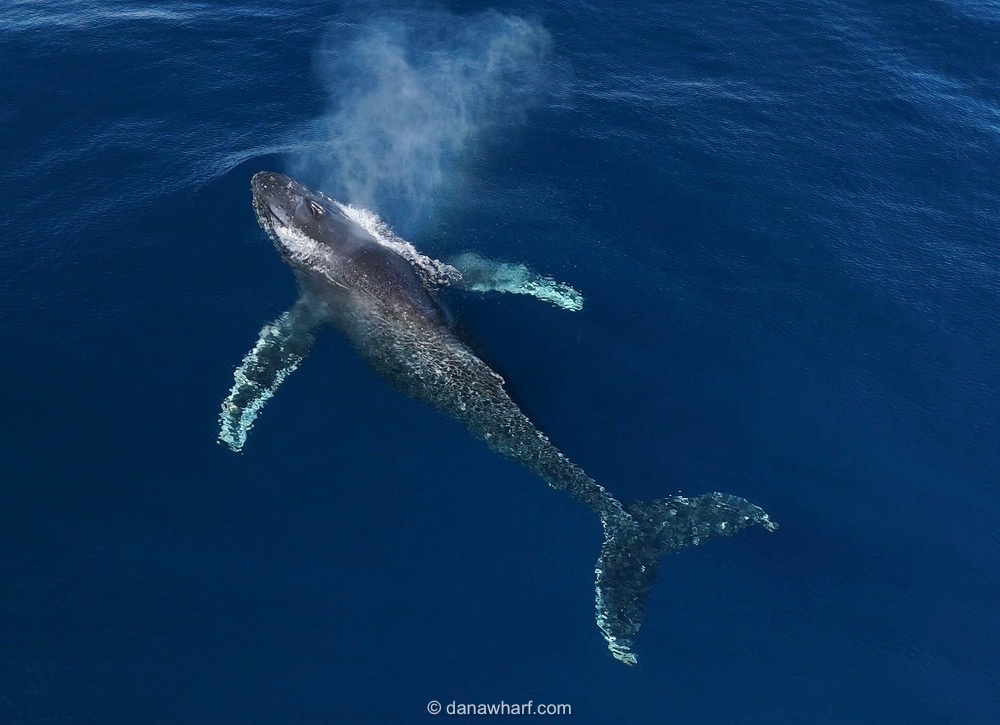
We don’t just look at the surface anymore. While our captains still have the best eyes on the water, modern oceanography is supplemented by local drone photographers and aerial spotters. When local researchers or coastal pilots spot a mega-pod of dolphins or a feeding frenzy from above, that data gets relayed back to the fleet, giving our boats a highly accurate starting point for the hunt.
3. The Eco-Advantage
The best part about this network of information? It’s significantly better for the whales.
-
Less Searching, More Respecting: Because we have a solid idea of where the action is happening, we don’t have to speed blindly around the ocean. We can navigate to the general zone, cut the engines early, and wait. Letting these magnificent giants dictate the encounter and cruise right past an idling boat is the ultimate, low-impact wildlife experience.
4. You Are Part of the Science
Passengers in 2026 aren’t just observers; they are citizen scientists!
-
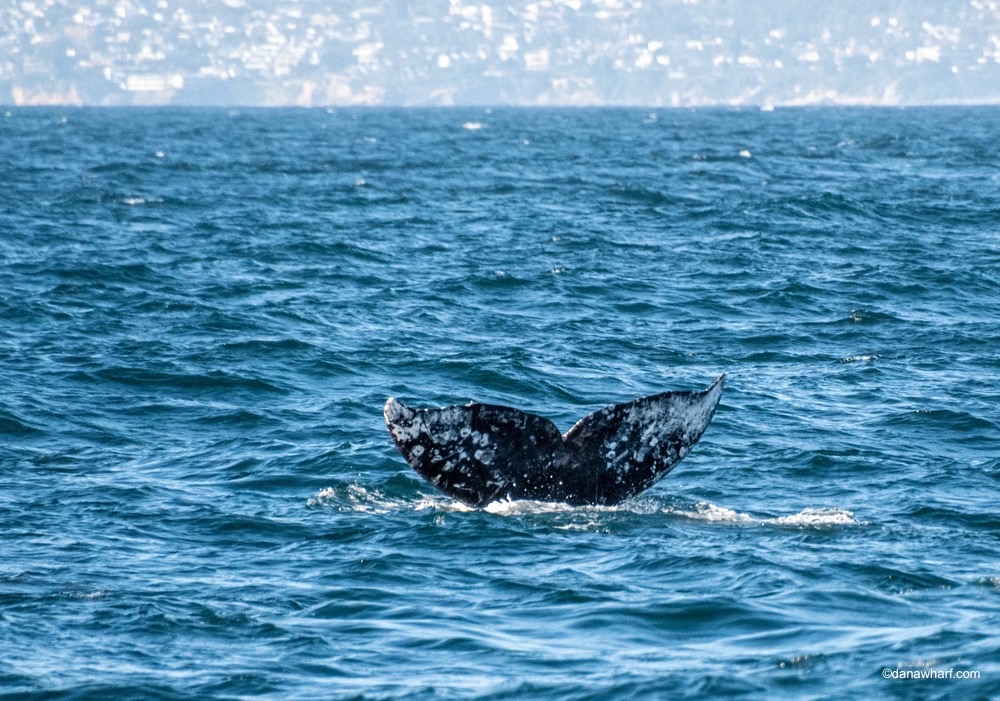
Instant Whale ID: Using modern AI-driven apps (like Happywhale), our naturalists and passengers can snap a photo of a whale’s tail (fluke) and run it through a global database. Within seconds, we can tell you if that specific Humpback was in Alaska last month, and even what its name is! Your photos actually help marine biologists track migration patterns.
The Magic Hasn’t Changed
Technology and networking give us the ultimate map, but the ocean is still untamed. No matter how advanced our communication gets, nothing prepares you for the breathtaking moment a 60-foot whale breaks the surface right next to the boat.
We just have a much better idea of where to look.