
How Deep Can Whales Dive? (The Answer Will Break Your Brain)
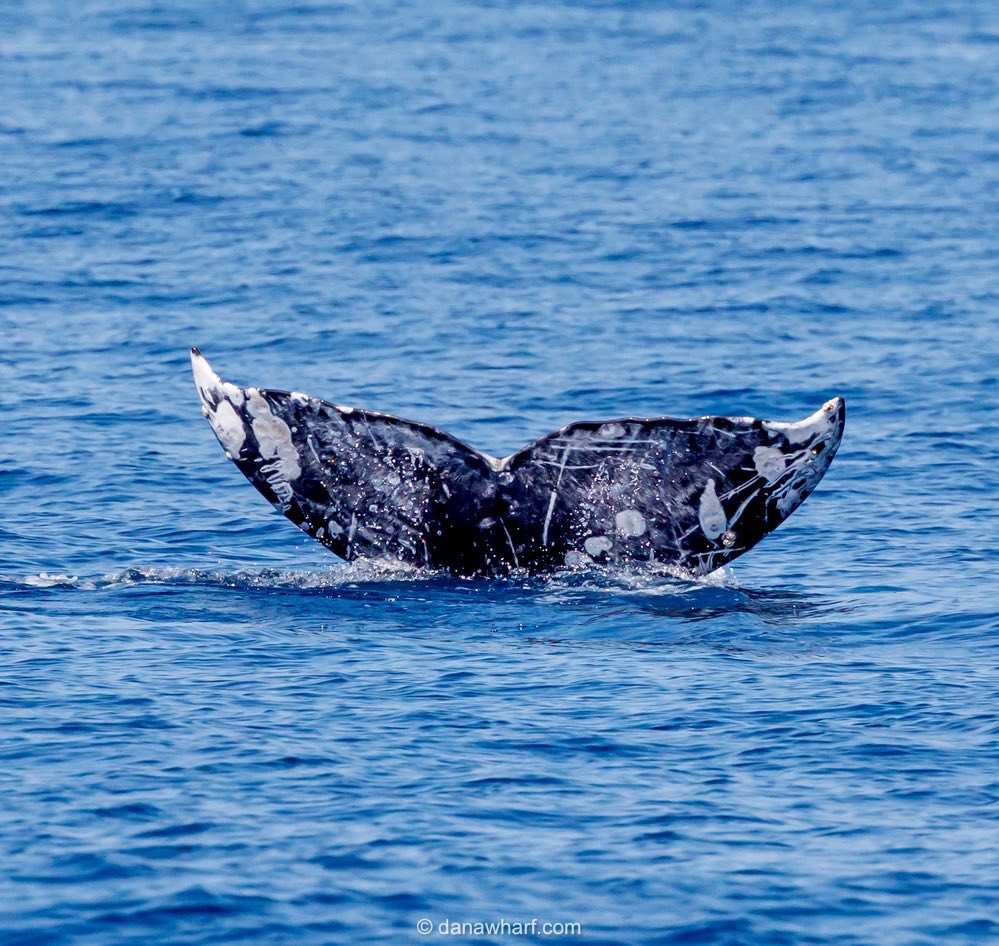
I’ve had this conversation on the boat more times than I can count. Someone watches a humpback whale disappear beneath the surface and asks, “How long until it comes back up?” And then: “How deep did it just go?”
The answers vary wildly depending on the species. Some whales are basically surface feeders. Others are among the deepest-diving creatures on the entire planet. Here’s what the science actually says — and some of it will genuinely surprise you.
First, Why Do Whales Dive So Deep?
Most whale diving behavior comes down to food. Different species eat different things at different depths. Baleen whales like humpbacks and blue whales primarily filter-feed near the surface on krill and small fish. Toothed whales like sperm whales hunt squid in very deep water. The deeper the prey, the deeper the whale has to go to find it.
Gray Whales: The Shallow Divers
Gray whales — the ones you’ll most commonly see here on our Dana Point whale watching trips during winter — are not extreme divers. They typically feed in water 200 feet or shallower, often dragging their mouths along the seafloor to filter out small crustaceans. Their dives usually last 3-5 minutes before they surface to breathe.
That’s why gray whale sightings are so good from the boat — they’re up often, and their behavior is predictable enough that you can anticipate where they’ll surface next.
Humpback Whales: Mid-Range Divers
Humpbacks typically dive to around 500-700 feet on a standard feeding dive, though they’ve been recorded going down to about 650 feet. Their dives last anywhere from 5-15 minutes, which is why whale watching with humpbacks involves a lot of watching the surface and waiting to see that massive fluke lift before they go under.
The fluke lift at the start of a deep dive is actually a postural thing — they arch their back and raise their tail to get the angle needed to dive straight down efficiently.
Blue Whales: Surprisingly Moderate
Given that blue whales are the largest animals on Earth, you might assume they’re champion divers. They’re not, comparatively. Blue whales typically dive to around 300–500 feet during feeding — they’re targeting dense krill patches that tend to concentrate in the upper water column — though confirmed dives can reach up to around 1,500 feet.
Their dives last roughly 10-20 minutes. When a blue whale comes up after a long dive, the blow — the spray from their blowhole — can reach 30 feet in the air. You can see it from a long distance.
Sperm Whales: The True Champions
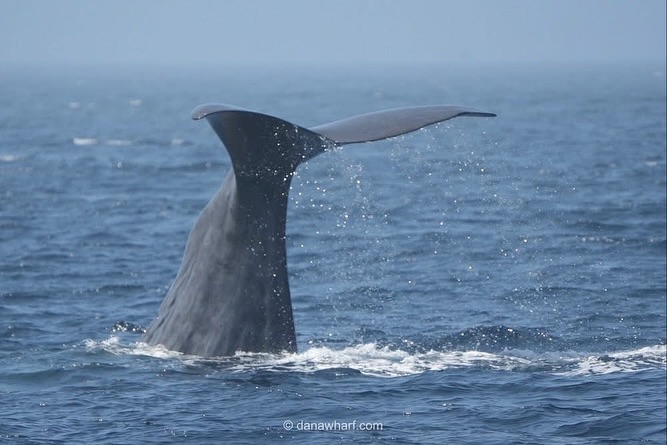
Then there’s the sperm whale, which is in a completely different category. Sperm whales are among the deepest-diving mammals on Earth, with confirmed dives measured at up to 7,380 feet — that’s nearly 1.5 miles straight down. Regular hunting dives typically go to 1,000–2,000 feet and can last 45–90 minutes.
They’re hunting giant squid in absolute darkness at pressures that would crush a human body instantly. Their physiology is remarkable — their lungs are designed to collapse under pressure, their blood and muscle store oxygen at extremely high density, and their heart rate drops dramatically during a dive to conserve that oxygen.
Cuvier’s Beaked Whale: The Record Holder
If we’re being precise: the deepest dive ever recorded for any marine mammal wasn’t a sperm whale. It was a Cuvier’s beaked whale that was tracked to 9,816 feet — nearly two miles down. The same individual stayed submerged for over 2 hours.
These animals are rarely seen because they spend so little time at the surface and prefer deep offshore waters. They’re a reminder that even our most-watched whales are just scratching the surface of what’s out there.
What You’ll Actually See on a Whale Watch
The whales we see most here at Dana Wharf — gray whales, humpbacks, and blue whales — are all relatively accessible for viewing precisely because they’re not extreme depth divers. They surface often enough to observe behavior, blowing, and breaching.
Check out our What You Could See page for a full rundown of the species we encounter throughout the year, or visit our ACS Whale & Dolphin Information page for deeper science on the animals we share the water with.
And if you want to see it for yourself — book a whale watching trip with us and we’ll put you in the front row.